
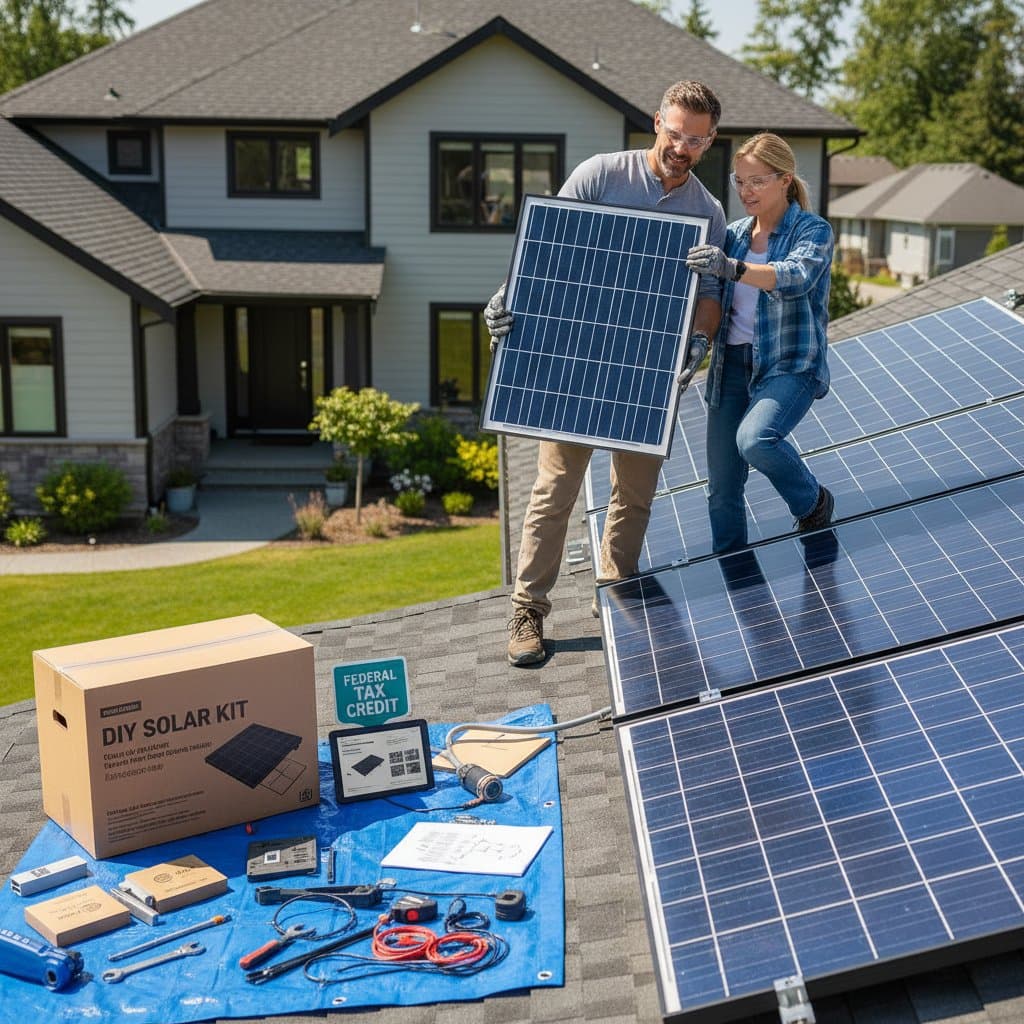
DIY Solar Kits at $15,000: Install and Reduce Energy Bills
Homeowners often seek ways to manage rising energy expenses, yet professional solar installations can seem prohibitively expensive. DIY solar kits priced at approximately fifteen thousand dollars now provide a viable alternative for long-term savings and energy autonomy. These kits offer straightforward instructions, reliable components, and support resources, making the process feasible for individuals experienced with home projects.
Reasons DIY Solar Attracts Homeowners
Utility rates continue to increase, prompting families to seek stable energy costs. Solar systems transform rooftops into efficient energy sources, mitigating price fluctuations. A DIY approach eliminates professional labor premiums while you acquire the equipment, adhere to provided plans, and engage a licensed electrician solely for wiring and inspections. This method preserves safety and regulatory adherence at reduced expense.
A fifteen thousand dollar kit generating seven kilowatts offsets a substantial portion of average household electricity needs. With annual production of about 1,300 kilowatt-hours per kilowatt, the system yields roughly 9,100 kilowatt-hours. At twenty-four cents per kilowatt-hour, annual savings reach approximately 2,180 dollars prior to fixed charges. Payback occurs in about seven years, with panels functioning effectively for over twenty years.
Components Included in a DIY Solar Kit
Standard kits contain:
- Solar panels rated from 350 to 450 watts each
- String or microinverters to convert direct current to alternating current
- Mounting rails, clamps, and flashings for secure roof installation
- Cables, connectors, and combiner boxes
- Monitoring software for real-time performance tracking
Certain kits include battery options, though many users opt for grid-connected setups initially and incorporate storage subsequently. Packages feature design templates, electrical schematics, and detailed installation manuals. Suppliers often customize layouts based on roof direction and regional regulations.
Installation Process Overview
The installation proceeds in structured phases:
- Conduct a site evaluation by measuring available roof area, assessing shading, and confirming structural integrity.
- Develop the design and secure permits by submitting plans to the supplier for validation, followed by local authority approval.
- Install mounting rails and panels by fastening the racking system, sealing roof entries, and positioning each panel.
- Connect electrical components by routing wires to the inverter and service panel.
- Arrange for inspection and grid connection, where a licensed electrician performs the final integration and verification.
Homeowners typically manage the physical assembly independently. Professionals must oversee and certify electrical work to meet safety codes.
Detailed Cost and Incentive Analysis
The fifteen thousand dollar price encompasses hardware and delivery. Additional expenses for permits, inspections, and electrical labor range from one thousand to two thousand dollars. Federal tax credits typically offset about thirty percent of the total, lowering the net cost to around ten thousand five hundred dollars.
For a system producing 9,100 kilowatt-hours annually at twenty-four cents per kilowatt-hour, yearly savings exceed two thousand dollars. With gradual rate increases, cumulative benefits over the system's life surpass thirty thousand dollars. Optimal results require minimal shading, south- or southwest-facing roofs, and regular panel cleaning.
System Performance and Upkeep
Contemporary panels experience minimal degradation, approximately zero point five percent annually. A seven kilowatt array retains about six point five kilowatts of capacity after twenty years. Inverters come with ten- to twelve-year warranties and prove straightforward to replace. Maintain panels by removing dust or debris, inspecting mounting hardware yearly, and monitoring output weekly to detect issues.
Battery supplements demand routine evaluation of charge levels and temperatures. Lithium iron phosphate batteries sustain over eighty percent capacity through five thousand cycles, supporting more than ten years of daily operation.
Habits to Maximize System Benefits
Align energy use with solar generation for peak efficiency. Operate appliances like washers and dryers during peak sunlight hours. Employ smart plugs to schedule device charging for midday panel activity. Adjust water heater settings downward, insulate drafts, and install LED bulbs. These adjustments accelerate return on investment and enhance household efficiency.
Selecting an Appropriate Kit
Evaluate options according to:
- Inverter configuration, where microinverters excel in shaded conditions and string inverters offer lower prices
- Panel efficiency exceeding twenty percent for space-limited roofs
- Warranties of at least twenty years for panels and ten years for inverters
- Supplier assistance, including phone or video support throughout setup
Verify utility policies on grid connections prior to purchase, as some mandate particular safety devices or markings.
Practical Steps Forward and Maintenance Tips
To pursue a DIY solar setup, review your utility statements from the previous year to calculate average consumption. Select a kit covering ninety percent of that usage. Perform a shading analysis or utilize solar assessment tools to pinpoint optimal roof zones. Examine offerings from at least three providers using consistent parameters. Confirm eligibility for incentives and outline inspection protocols with local officials.
After installation, record monthly energy output, clean panels as required, and conduct safety inspections every few years. Document panel serial numbers, warranties, and performance logs. Consistent oversight ensures sustained reliability.
A DIY solar kit represents an achievable initiative to decrease expenses and foster energy self-reliance. Every kilowatt-hour produced domestically eases grid pressure and contributes to environmental progress, one home at a time.
Frequently Asked Questions
What abilities are required for a DIY solar kit?
Basic woodworking skills, familiarity with power tools, and vigilance regarding electrical hazards prove necessary. A licensed electrician must manage the concluding wiring.
Can a kit supply power to a full home?
A seven kilowatt system offsets the majority of typical residential demands, though precise offset varies by roof capacity and usage patterns.