
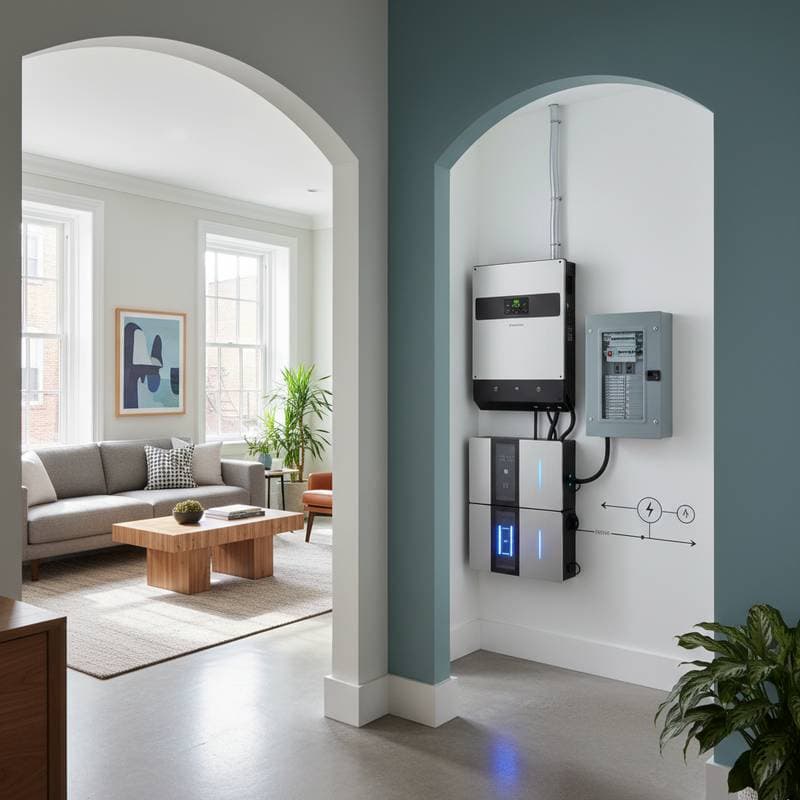
Understanding Hybrid Solar Systems for Philadelphia Homes
Hybrid solar systems combine the benefits of traditional grid-tied solar with battery storage for backup power. These setups allow Philadelphia homeowners to generate their own electricity, earn grid credits through net metering, and maintain essential functions during outages. In 2025, with rising energy costs and increasing storm risks, hybrid systems offer a reliable path to energy independence.
All components in a hybrid solar installation must carry listings from recognized testing laboratories, such as Underwriters Laboratories. Installers follow manufacturer specifications precisely to ensure safe operation. Mismatching inverters and batteries risks charging imbalances, potential hazards, and warranty invalidation.
When Hybrid Solar Systems Benefit Philadelphia Homeowners
Hybrid solar systems suit homeowners seeking energy savings alongside power resilience. These configurations excel in scenarios including frequent power interruptions from severe weather, utility rate plans with demand charges or time-of-use pricing, and regions with restricted net metering policies. Individuals desiring greater control over their energy supply also find value here.
Properties equipped with critical devices, such as life-support medical apparatus, medication refrigeration units, or home office technology, gain significantly from uninterrupted backup. A hybrid system sustains these vital loads seamlessly, eliminating the need for noisy, fuel-dependent generators during blackouts.
Philadelphia's urban density and variable grid stability make hybrid setups particularly advantageous. Homeowners can offset peak summer cooling demands while preparing for winter storms that often disrupt service.
Distinguishing Professional Responsibilities from Homeowner Upkeep
Hybrid solar installations demand expert design and activation by qualified professionals. Homeowners manage only routine upkeep to preserve system performance and safety.
Tasks Reserved for Professionals
Professionals handle complex integrations to comply with local codes and utility standards:
- Integrating the inverter with the home's main electrical panel.
- Setting up battery management systems for optimal charging cycles.
- Conducting insulation resistance testing to detect faults.
- Adjusting export controls to meet grid interconnection rules.
These steps require specialized tools and knowledge of Philadelphia's building codes, enforced by the Department of Licenses and Inspections.
Homeowner Maintenance Duties
Owners perform simple checks to support longevity:
- Gently cleaning solar panels using soft water and a non-abrasive brush to remove debris.
- Reviewing monitoring applications for alerts or performance anomalies.
- Ensuring the battery storage area remains dry, ventilated, and free from obstructions.
- Logging monthly output metrics to track efficiency trends.
Under no circumstances should homeowners access inverter enclosures or battery internals. Such actions expose high-voltage elements and may nullify manufacturer guarantees.
Regular adherence to these practices extends system life, often warrantied for 10 to 25 years depending on components.
Comparing Hybrid Solar with Other Configurations
Solar options vary by connectivity and reliability needs. Understanding differences helps Philadelphia residents select the right fit.
Hybrid Systems
These connect to the grid for credits while providing seamless backup via integrated batteries. Owners optimize usage during high-rate periods by storing excess solar energy. Though initial costs exceed basic setups, hybrids yield superior returns through outage protection and flexible operation.
Off-Grid Systems
Fully independent of utility lines, off-grid arrays rely on oversized batteries and sometimes supplemental generators. Users practice strict energy conservation to prevent discharge shortfalls. This approach demands significant upfront planning and suits remote properties, not typical Philadelphia rowhomes.
Grid-Tied Systems
The most affordable entry point, grid-tied panels feed power back to the utility for credits but deactivate during outages to prevent energizing downed lines. Reliability hinges entirely on the grid, making them less ideal for areas prone to disruptions like Philadelphia's occasional nor'easters.
Hybrids bridge these options, balancing affordability with autonomy for urban dwellers facing moderate outage risks.
Steps to Prepare Your Philadelphia Home for Hybrid Solar Installation
Thorough preparation ensures a smooth process and optimal performance. Begin by assessing key site factors.
-
Evaluate Roof Integrity: Inspect shingles, tiles, or flat membranes for damage. A sturdy base prevents premature panel removal and maintains warranties.
-
Assess Electrical Capacity: Hybrid inverters typically require a 200-amp service panel or a subpanel for safe connection. Upgrading older systems may add to costs but enhances overall home safety.
-
Plan Battery Placement: Allocate space with minimum three-foot clearances around units for airflow and technician access. Indoor garages or basements work well in Philadelphia's climate.
-
Secure Connectivity: Arrange stable internet or cellular service for system monitoring and firmware updates, essential for remote diagnostics.
Engage a professional for a detailed load audit. This analysis determines array size and battery capacity, avoiding overinvestment in unused generation or insufficient backup duration during extended outages.
Permitting through Philadelphia's authorities streamlines approval. Expect reviews for structural, electrical, and zoning compliance to align with city sustainability goals.
Selecting and Collaborating with Certified Installers
Prioritize professionals holding certifications from the North American Board of Certified Energy Practitioners or state-licensed electricians experienced in photovoltaics. Verify credentials to guarantee adherence to industry benchmarks.
Request essential documentation:
- Evidence of comprehensive liability and workers' compensation insurance.
- Client testimonials from completed hybrid projects in the Philadelphia area.
- Confirmation of utility approval for grid interconnection.
Top installers guide clients through every phase, from initial site surveys to final inspections. They detail outage protocols, such as switching to battery mode, and schedule periodic maintenance. Clear communication fosters trust and minimizes surprises.
In Philadelphia, look for firms familiar with local incentives, including federal tax credits and state rebates, to maximize financial benefits.
Maximizing Benefits and Long-Term Value
Hybrid solar empowers Philadelphia homeowners with grid credits that offset bills, backup power for peace of mind, and reduced environmental impact. Systems typically pay for themselves within 7 to 10 years through savings and incentives.
Ongoing monitoring reveals efficiencies, like adjusting usage to capture peak solar hours. As battery technology advances, future upgrades enhance capacity without full replacements.
Embracing hybrid solar aligns with Philadelphia's green initiatives, contributing to a resilient, sustainable community. Homeowners achieve not just energy savings, but enduring security against an unpredictable grid.