12 States Streamline Solar Permits for DIY Installers
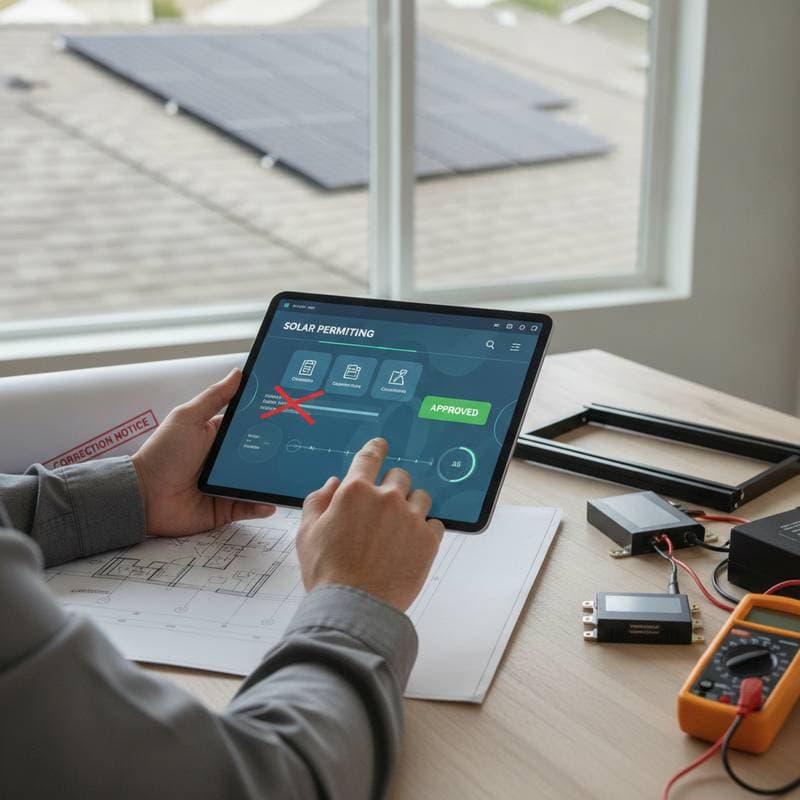
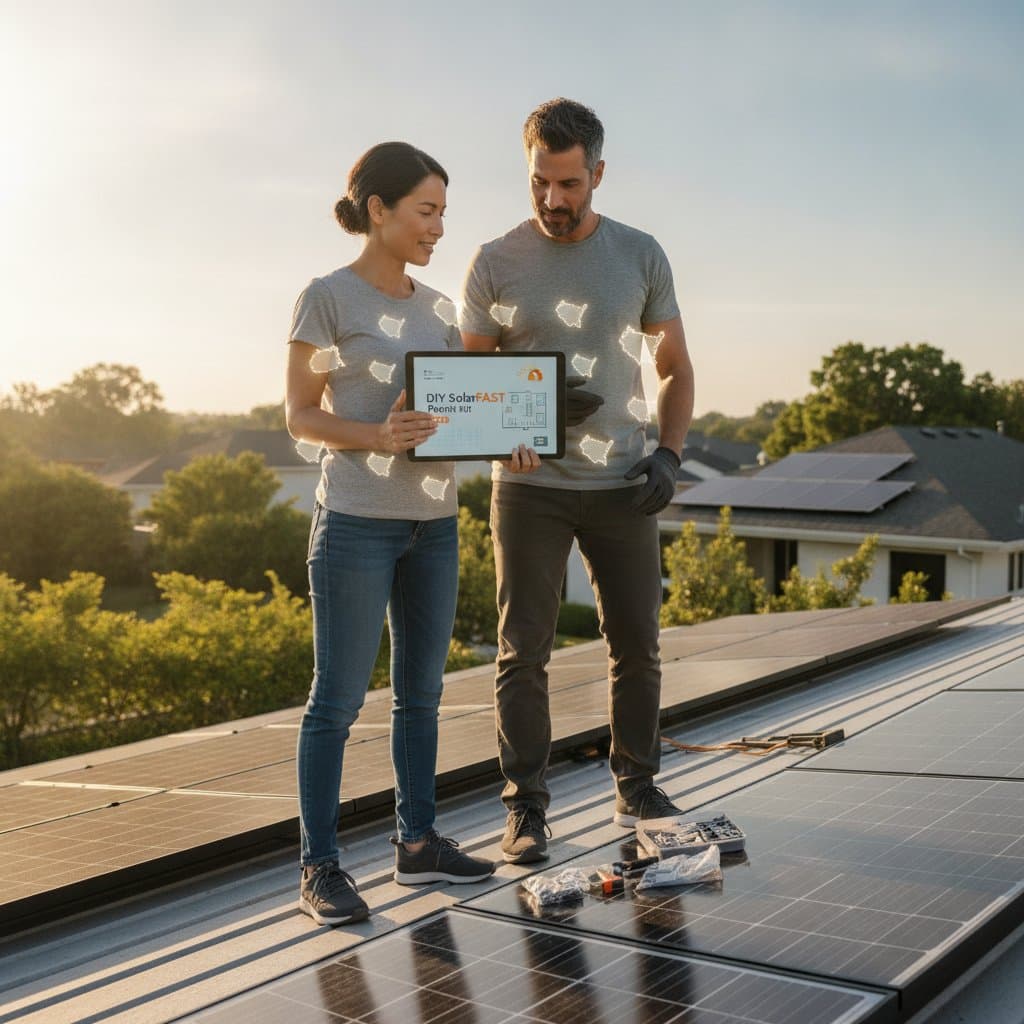
Twelve states have approved standardized DIY solar permit kits for 2026. These packets simplify compliance, lower expenses, and accelerate clean energy projects for skilled homeowners.
Loading...
Comprehensive resources for solar energy, home efficiency, and sustainable living. From installation guides to policy updates, find everything you need to make informed decisions.

Twelve states have approved standardized DIY solar permit kits for 2026. These packets simplify compliance, lower expenses, and accelerate clean energy projects for skilled homeowners.

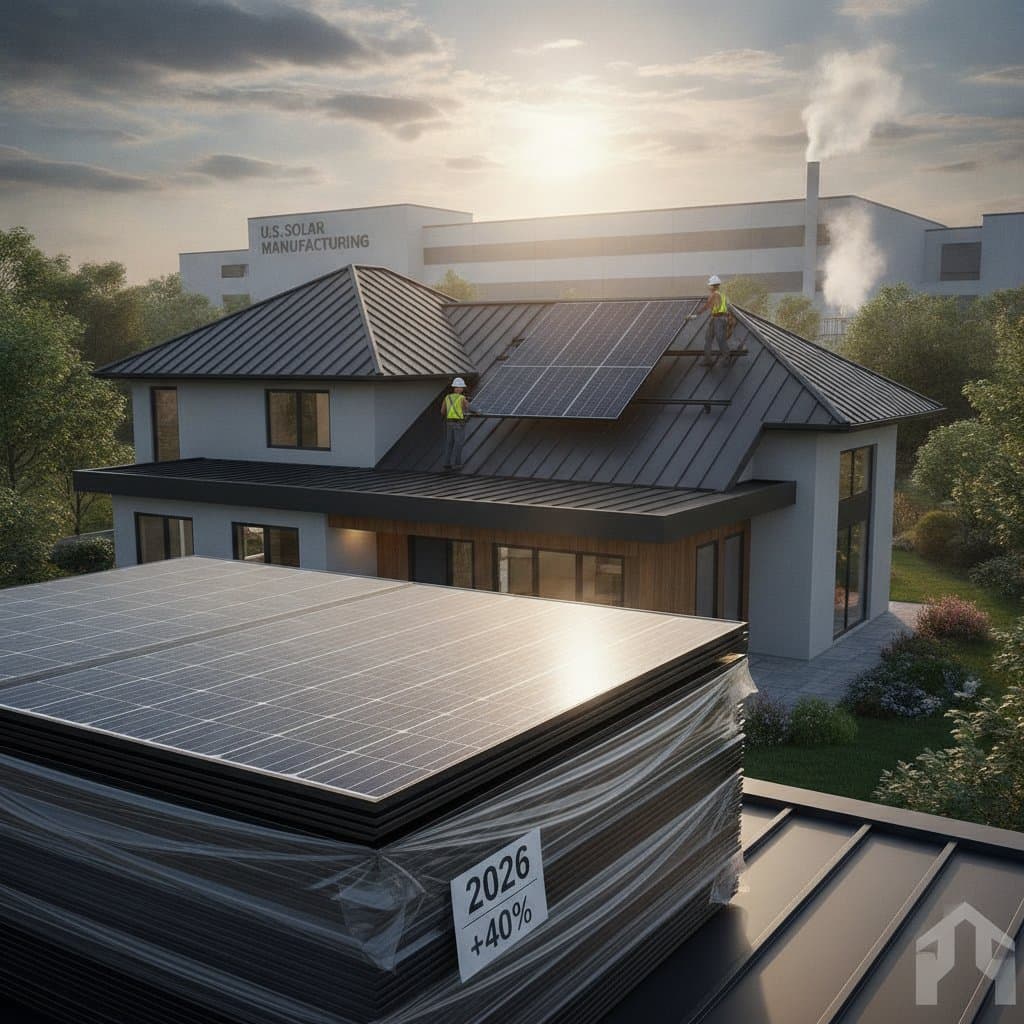
New federal tariffs set for 2026 could raise solar panel prices by up to 40 percent. Homeowners should review supply shifts, incentives, and safety standards before committing to a solar investment.

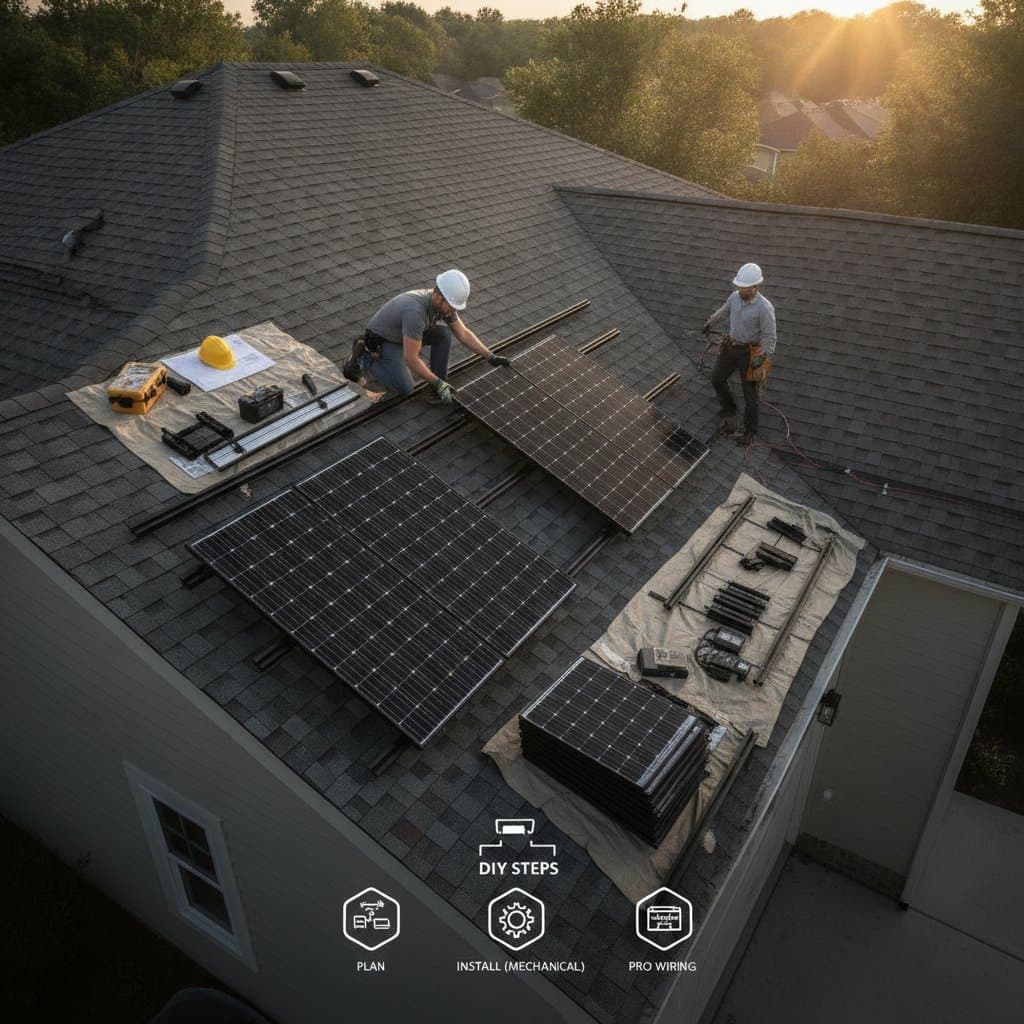
Save thousands by installing your own rooftop solar system for around $8,000 without losing rebate eligibility. Learn how to plan, budget, and safely complete DIY tasks while leaving final electrical work to licensed pros. This guide covers equipment choices, inspection steps, and rebate documentation for a compliant, money-saving solar project.

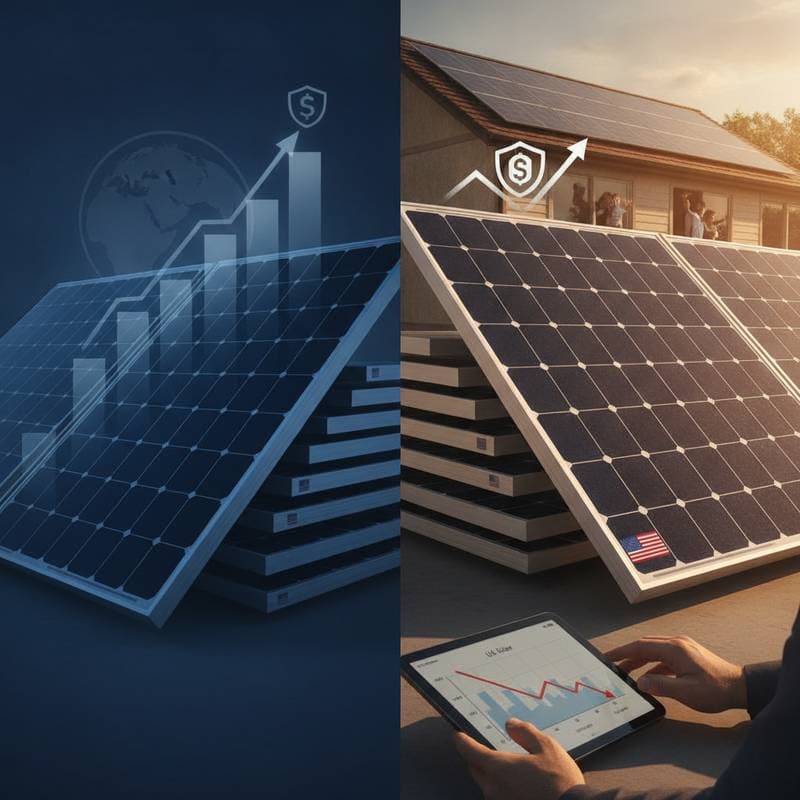
Tariff changes in 2026 will raise prices on many imported panels while improving the position of domestic models. Homeowners can limit added costs through early quotes, federal credits, and state rebates.

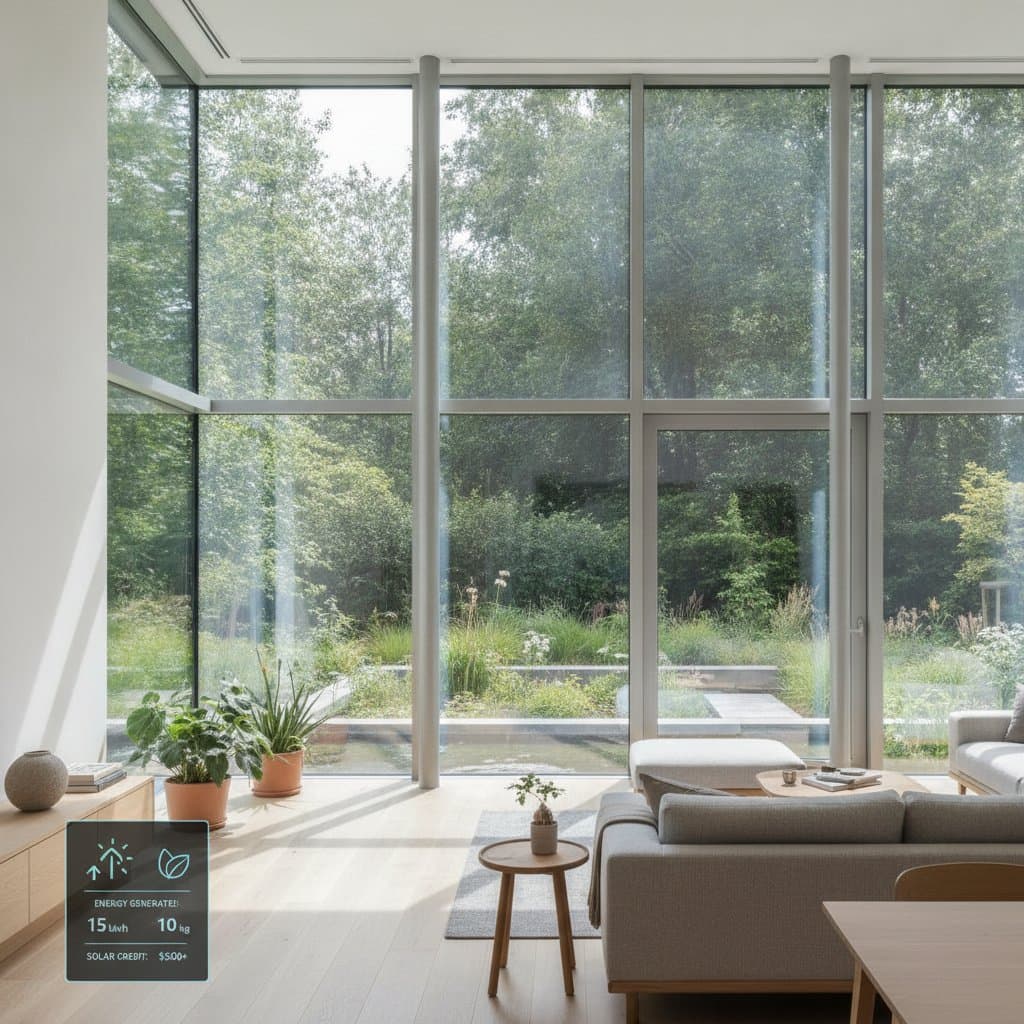
By 2026, transparent solar windows could transform ordinary glass into clean power generators. These sleek panes harvest sunlight while keeping homes bright, cutting energy costs and emissions without bulky panels. With incentives, durability, and seamless design, they promise a new era of energy-efficient living built right into your view.

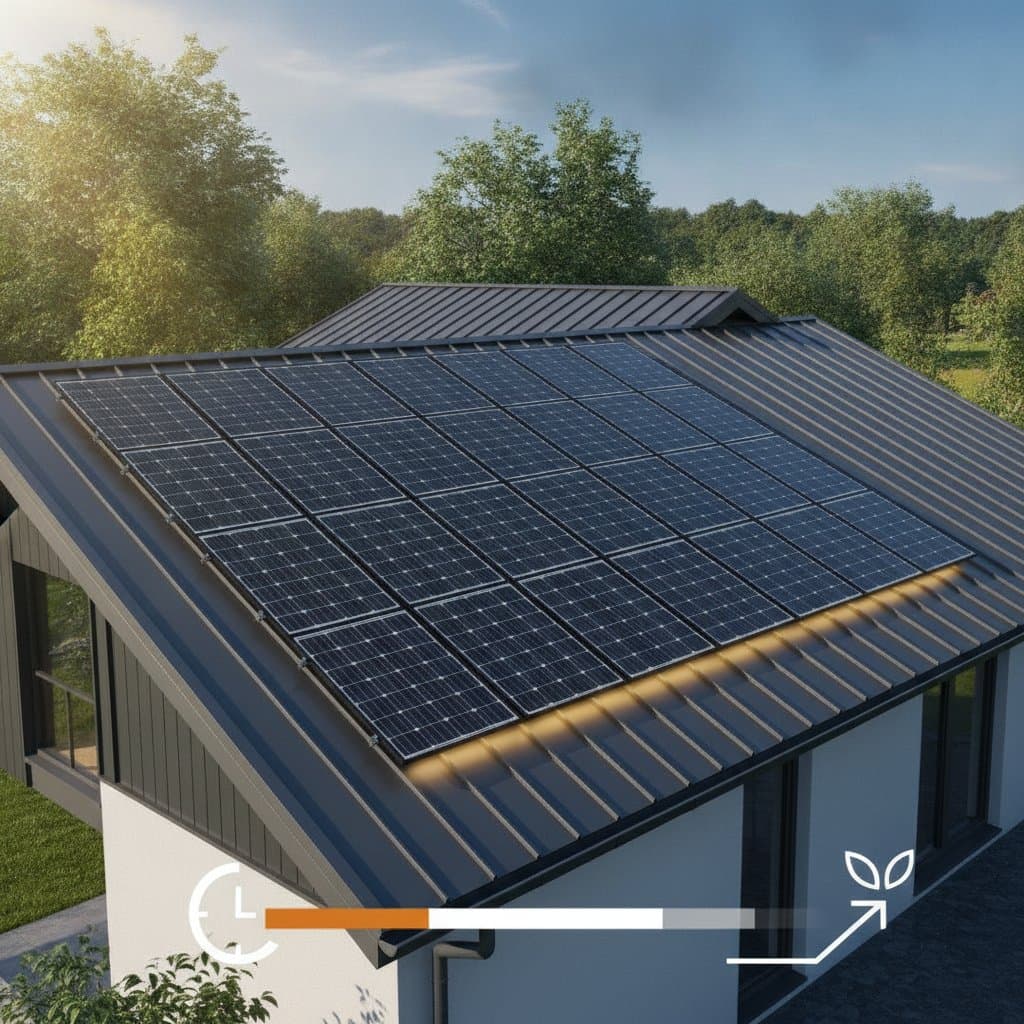
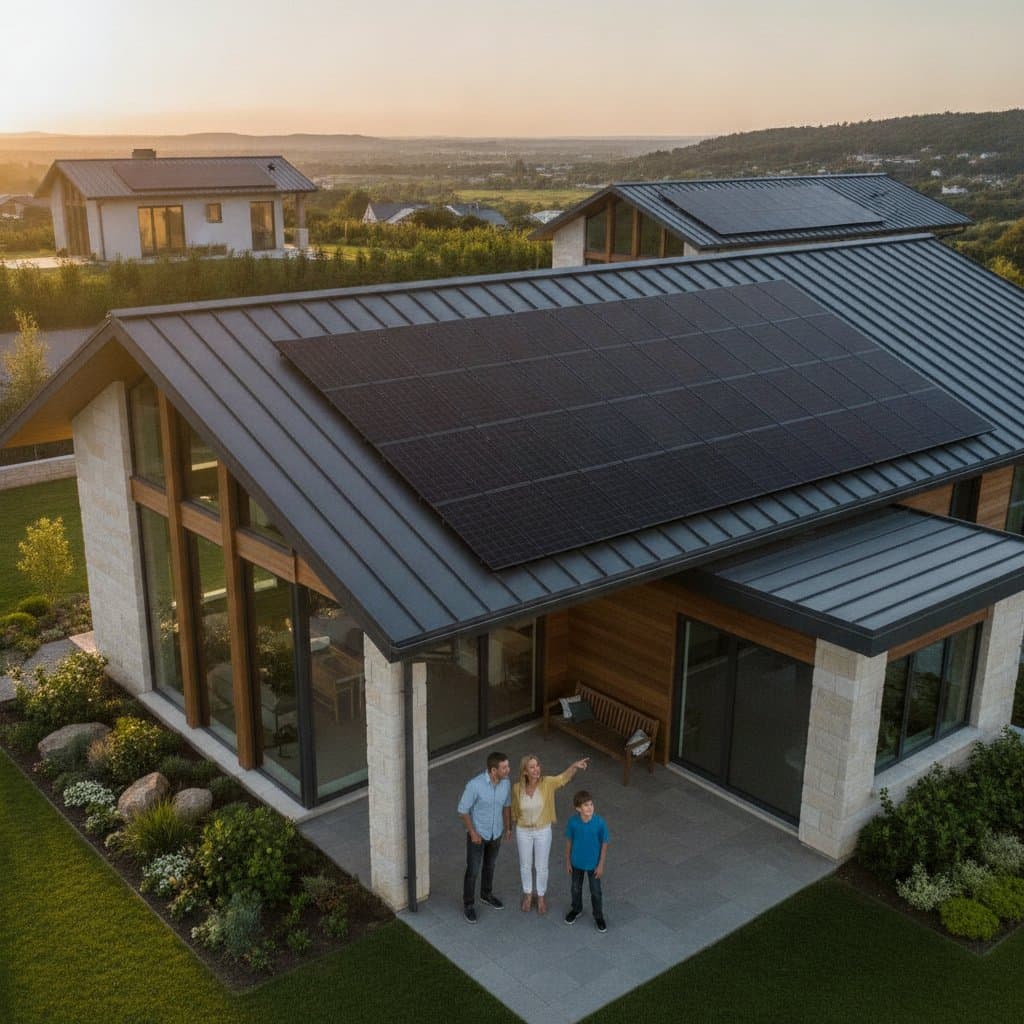
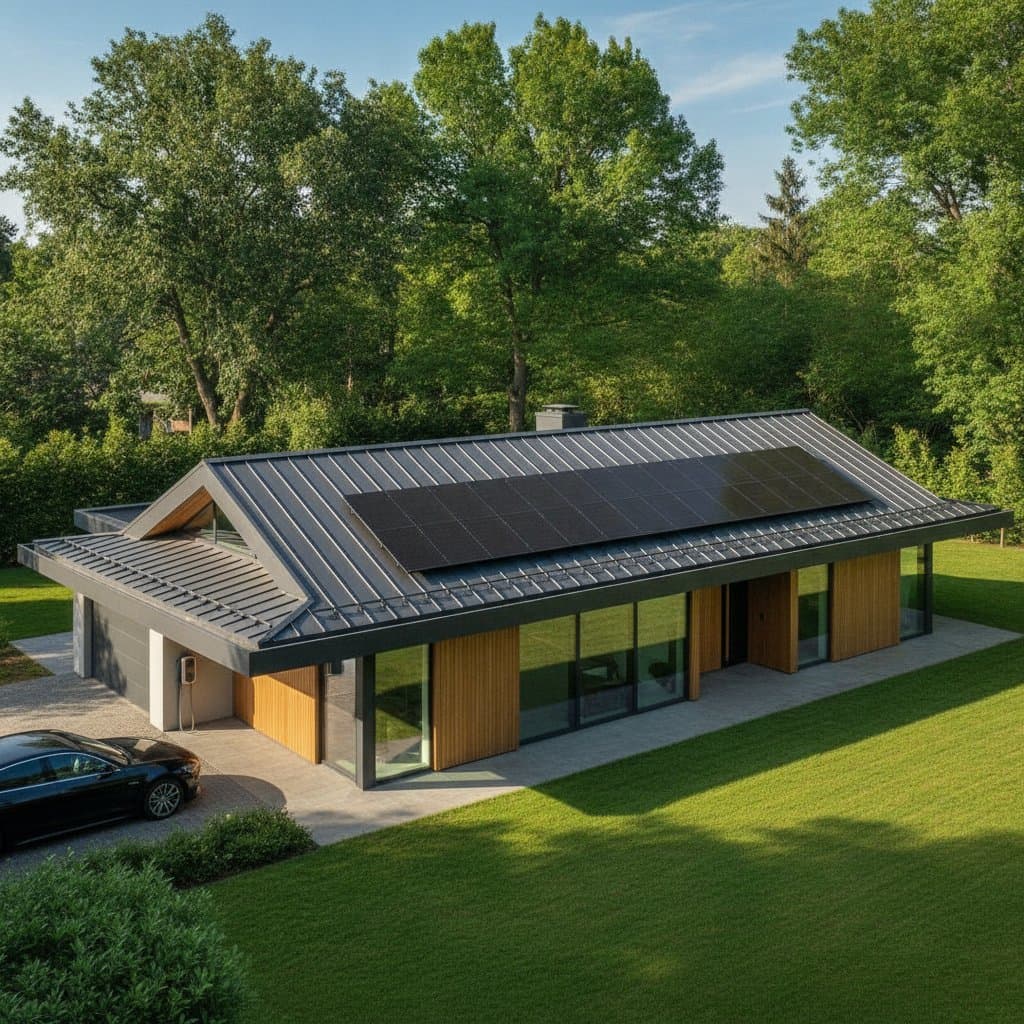
Metal roofs last decades longer than asphalt, simplify solar installation, and support greater energy efficiency. Their strength and reflective properties protect long term system performance while lowering maintenance needs.

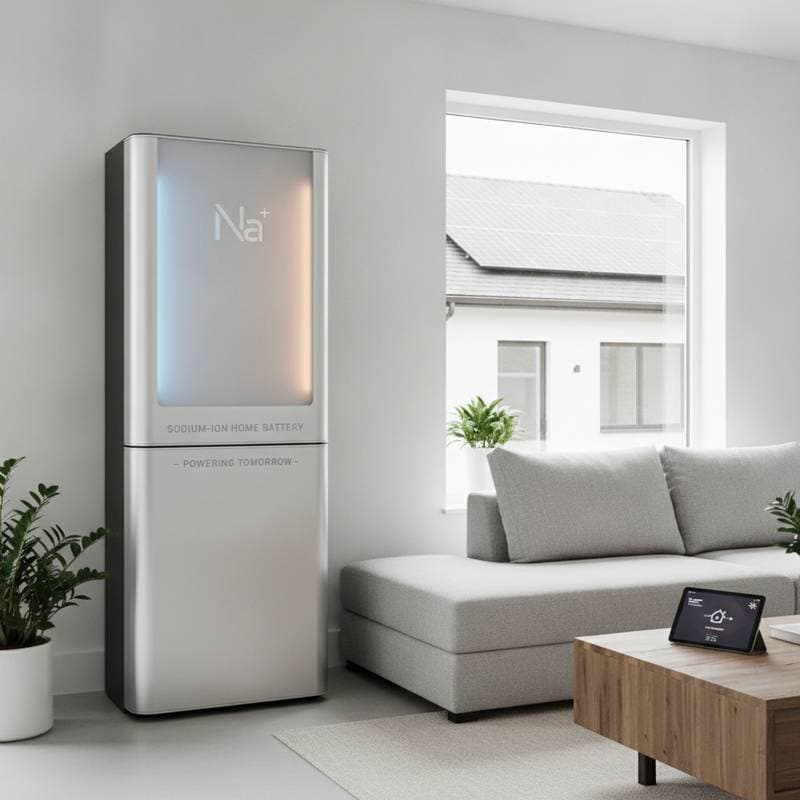
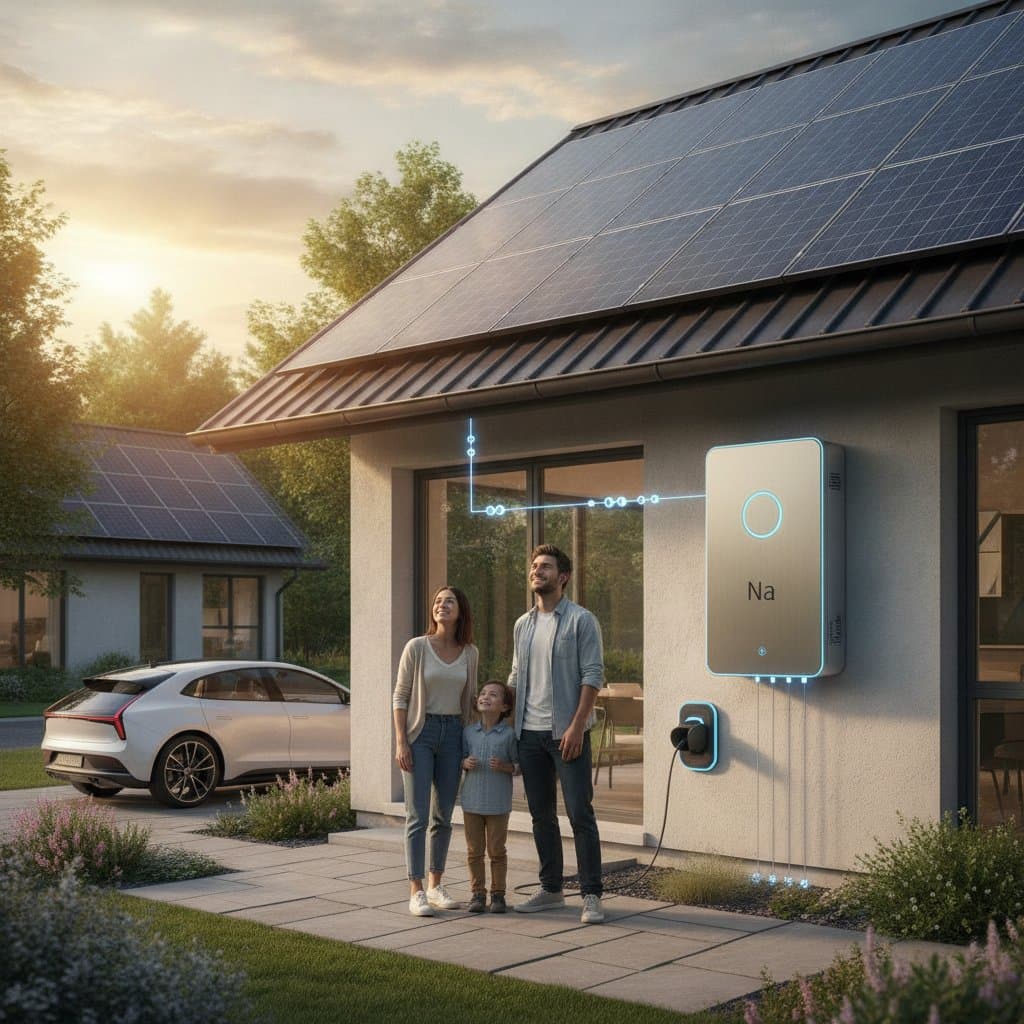
Sodium-ion batteries could make home solar storage far more affordable by 2026. They deliver safer, sustainable power without costly lithium or cobalt while improving performance and recycling ease.

Metal roofs are becoming the top choice for solar installations, offering unmatched durability, easy mounting, and long term savings. Their lifespan aligns with solar systems, minimizing maintenance and maximizing efficiency. With modern designs, energy incentives, and sustainability benefits, combining metal roofing with solar panels delivers decades of reliable, eco friendly performance and lower energy costs.

Sodium-ion batteries are emerging as an affordable, sustainable alternative to lithium for home solar storage. Using abundant materials and simpler chemistry, they promise lower costs, safer operation, and reliable performance even in cold climates. By 2026, they could redefine energy independence and make solar-plus-storage systems more accessible to homeowners.

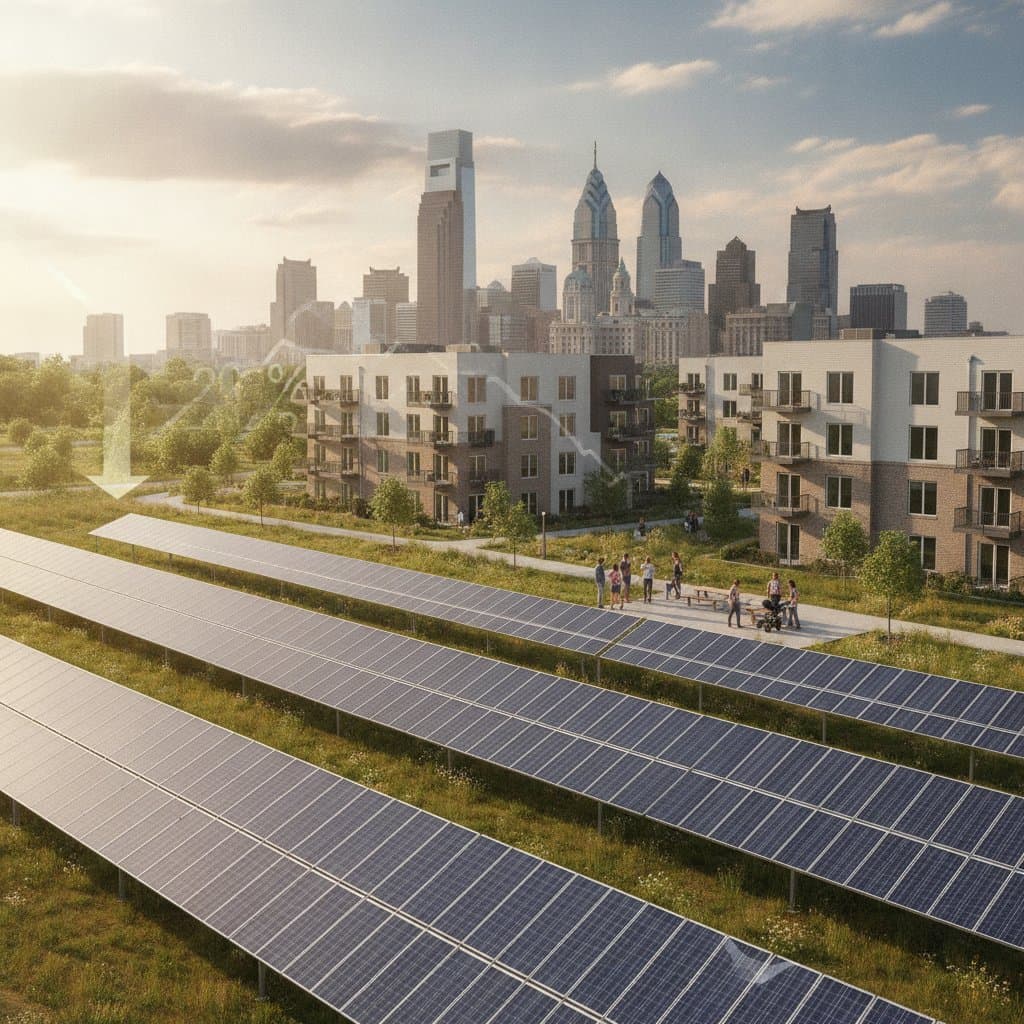
Philadelphia renters can soon save around 20% on electricity through community solar. No rooftop is required. By subscribing to shared solar projects, residents gain clean energy credits directly on their bills. With transparent oversight, flexible participation, and zero installation hassle, community solar opens affordable, sustainable power access across the city starting in 2026.

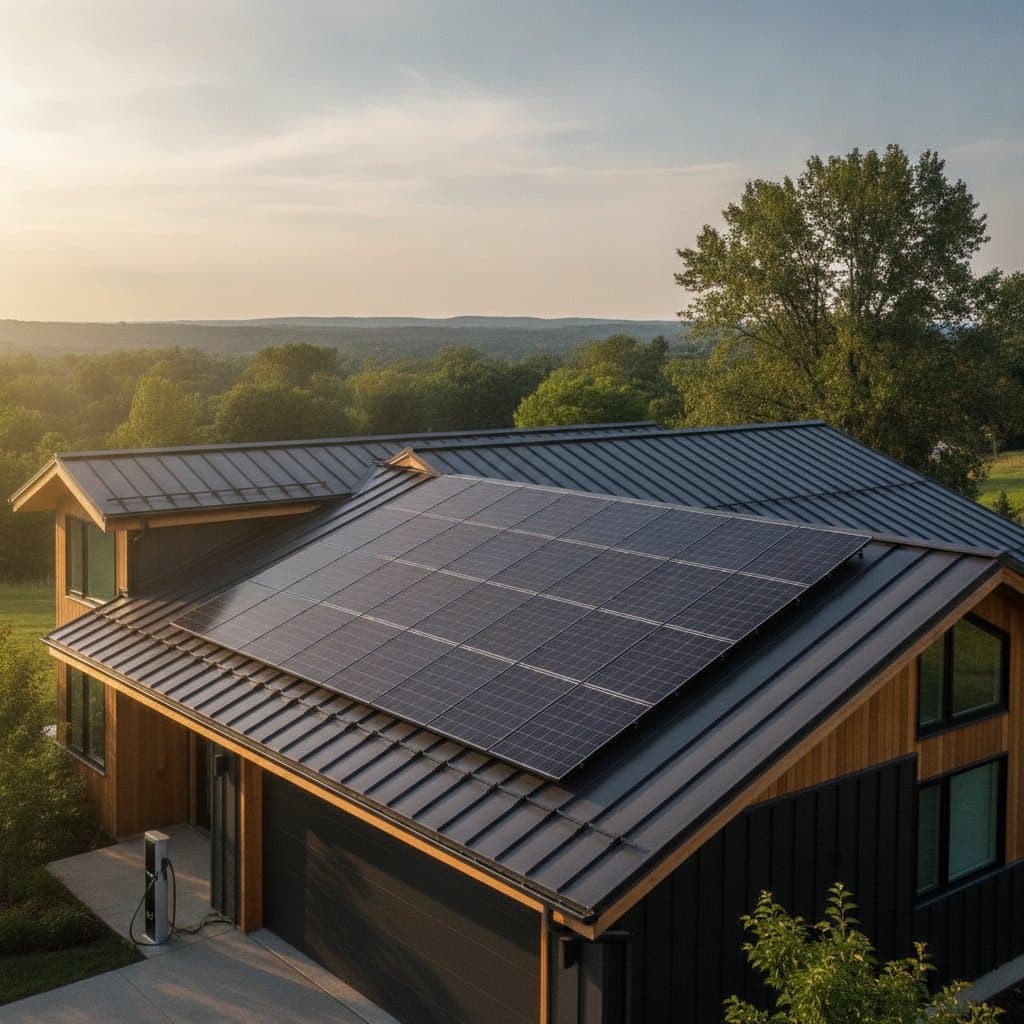
A 50-year metal roof paired with a matching solar array provides lasting durability, reduced maintenance, and strong financial returns for homeowners seeking long-term energy independence.

Renting out a home with solar panels can complicate your tax benefits. This guide explains how to preserve federal and state solar credits, stay IRS-compliant, and avoid costly recapture through proper ownership rules, filing requirements, and documentation steps.

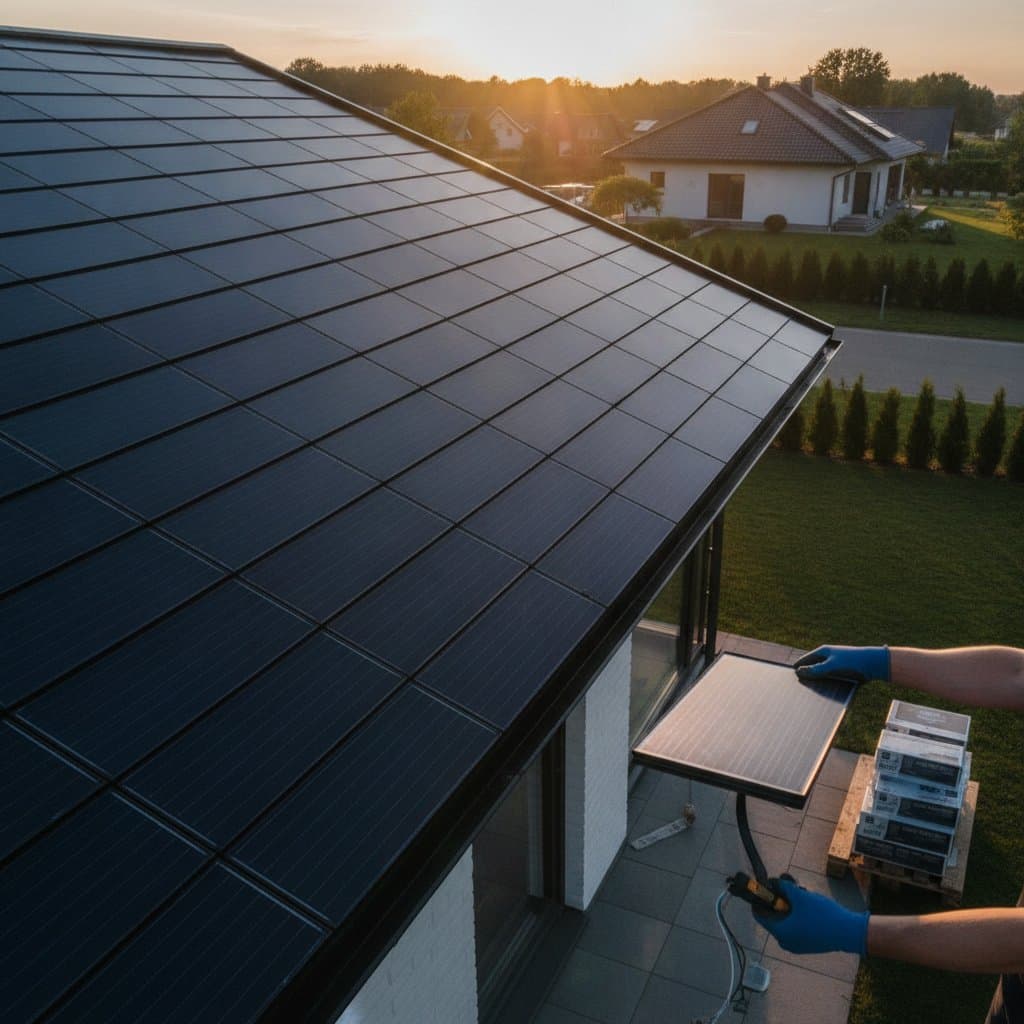
Learn how DIY solar shingles turn your roof into an energy source. This guide covers costs, installation, incentives, and upkeep to help you assess if solar shingles match your budget and abilities.

Metal roofs with built-in solar panels combine durability and energy generation in one sleek system. Though upfront costs range from $40,000 to $70,000, federal incentives and long-term savings make them appealing. With lifespans exceeding 40 years, they offer strong returns, minimal maintenance, and seamless aesthetics for future-focused homeowners.

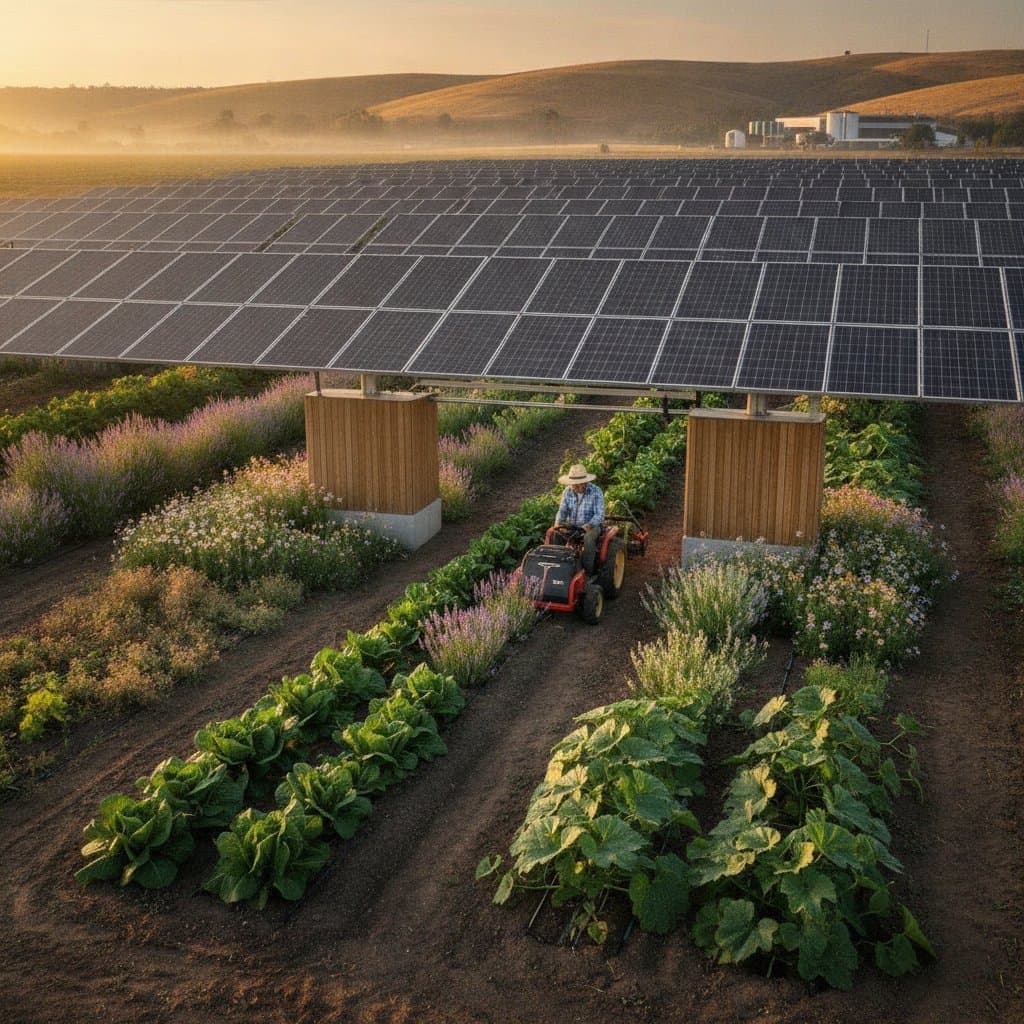
Agrivoltaic farms unite solar energy and agriculture on the same land. Elevated panels shade crops, conserve water, and boost soil health while generating revenue from electricity. This dual-use model strengthens farm income and supports climate goals through smarter land use.

Pairing solar panels with a standing seam metal roof creates a durable, low maintenance energy solution that lasts decades. Although the initial investment is higher, the combination removes future reroofing expenses, improves efficiency, and increases property value. Homeowners gain a practical, long term return through reduced maintenance and consistent performance.

Smart glass solar windows combine transparent photovoltaic layers with standard glazing to produce electricity without sacrificing views or daylight. They suit homes with limited roof space and strict design rules when installed by certified professionals who follow local codes.

Black start batteries let homes stay powered when the grid fails, enabling solar systems to restart independently and supply critical circuits. Professionally installed systems deliver quiet, emission free resilience with minimal maintenance.

New DOE standards encourage reflective roofing in Philadelphia. Cool roofs lower attic temperatures, reduce cooling costs by up to 30 percent, and ease urban heat island effects when installed correctly.

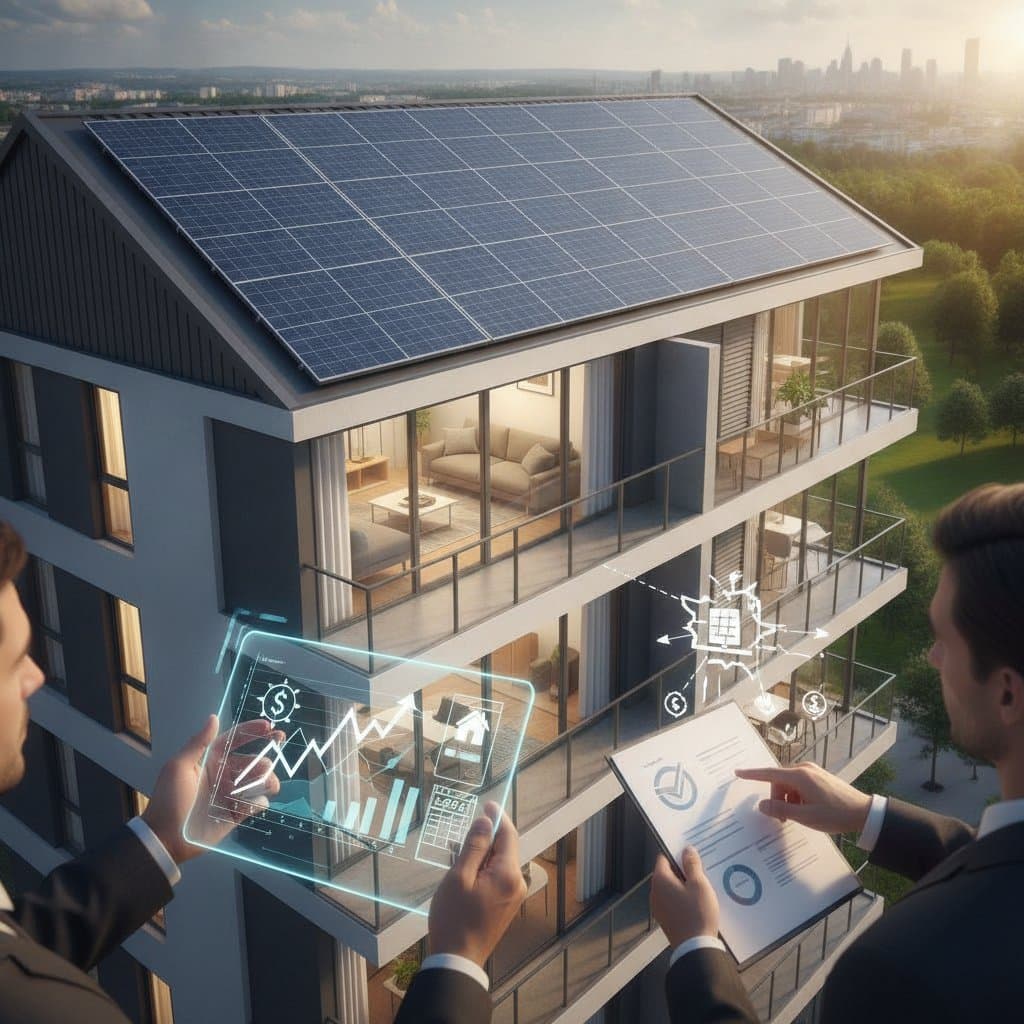
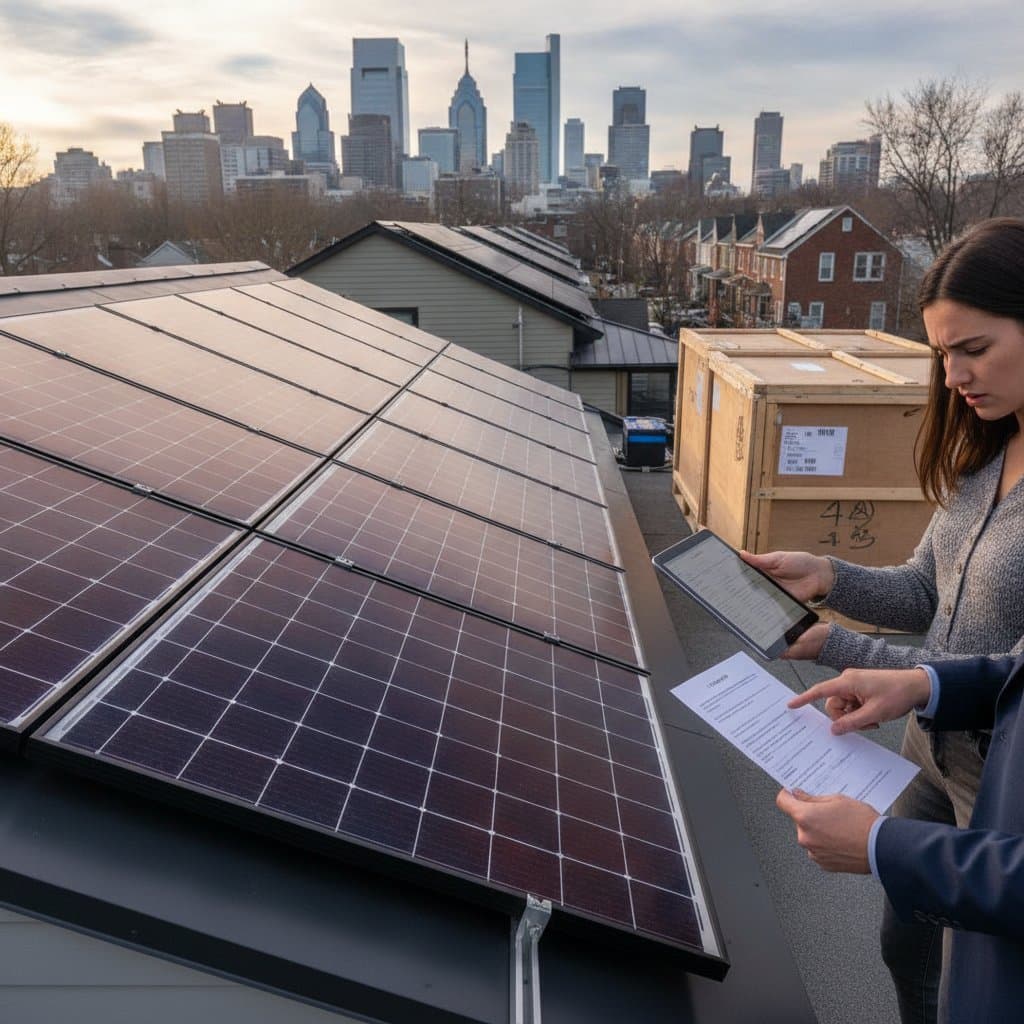
Solar panel prices may rise up to 40 percent starting in 2026 due to new tariffs, potentially increasing total system costs by 15 to 20 percent. Homeowners can still act now to secure lower prices, leverage tax incentives, and maximize long term savings while supporting clean energy growth in the Philadelphia region.