
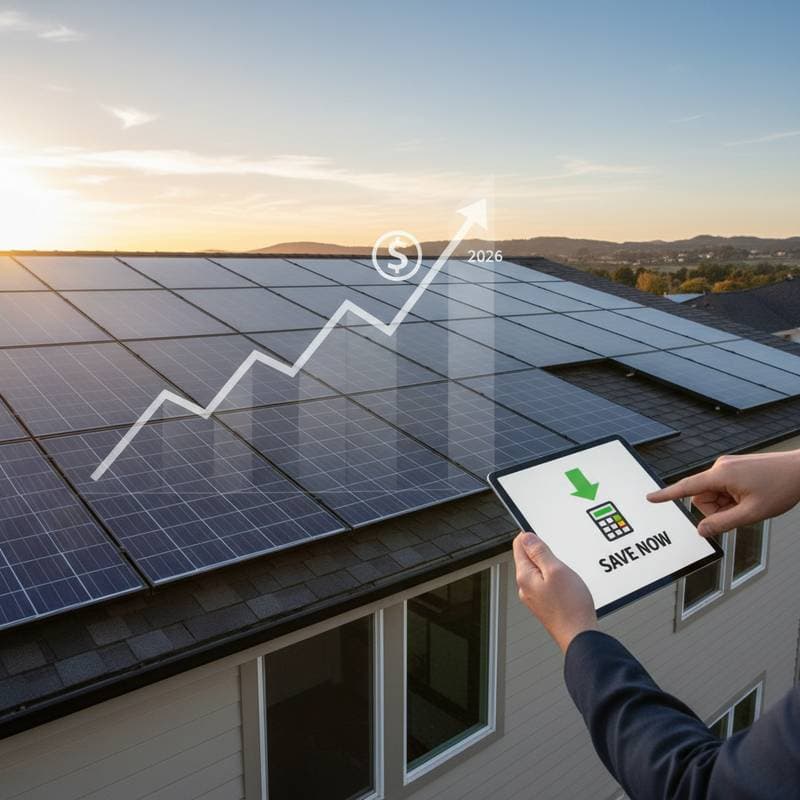
Potential Impact of 2026 Tariffs on Solar Panel Prices
Many homeowners track solar panel prices amid growing discussion of new import tariffs. Solar power offers reliable control over energy expenses and supports emission reductions. Potential import fees could alter the timeline for investment recovery. Proper planning allows homeowners to maintain savings and long-term advantages ahead of new expenses.
Factors Behind Possible Cost Increases
The majority of solar panels installed across the United States originate from overseas production facilities. Tariffs applied to imported modules raise the price per watt throughout distribution networks. Installers, distributors, and property owners experience these added expenses. Analysts project that upcoming tariffs may increase imported module costs by 8 to 15 cents per watt. A standard 7 kilowatt system could incur an additional 560 to 1,050 dollars before labor and permitting fees.
A 7 kilowatt system priced at 17,500 dollars today might reach more than 18,500 dollars once tariff effects apply. This adjustment extends the payback period from approximately eight years to nine or longer based on local energy rates and available incentives. Many households find this shift sufficient to postpone projects or scale down system capacity.
Effects Across the Solar Supply Network
Tariffs aim to strengthen domestic manufacturing by raising prices on imported goods. Local production requires time to scale and meet demand levels. The solar sector relies on international sources for silicon wafers, cells, glass, and inverters. Increased costs at any point in this network propagate through remaining components.
Installers evaluate whether to absorb added expenses or transfer them to customers. Some may transition to domestically produced panels when supply permits. Others encounter constraints on inventory or extended delivery schedules. Outcomes depend on the pace of domestic capacity expansion and the volume of imported supply subject to tariffs.
Advantages of Completing Projects Promptly
Homeowners evaluating solar options can secure lower hardware prices by finalizing installations before tariffs activate. The cost difference between current purchases and delayed decisions may reach several hundred dollars per kilowatt. This amount accumulates to thousands across an entire system.
A 7 kilowatt installation generating roughly 9,100 kilowatt hours annually offsets approximately 2,180 dollars in electricity costs at 24 cents per kilowatt hour. Each year of postponement results in forfeited savings and potential future price increases. Earlier action avoids tariff related expenses while accelerating return on investment.
Pricing Details, Incentives, and Recovery Periods
Solar system costs vary according to roof orientation, shading conditions, and utility rate structures. Average pre incentive pricing typically falls between 2.40 and 3.20 dollars per watt. Federal tax credits reduce the effective rate to approximately 1.70 to 2.20 dollars per watt.
Consider a 7 kilowatt system installed at 2.80 dollars per watt for a total of 19,600 dollars. Federal incentives lower this amount by several thousand dollars. At utility rates of 24 cents per kilowatt hour, annual savings near 2,000 dollars become attainable. Payback occurs around eight years. A 10 percent tariff driven increase extends recovery by roughly one year while panels continue generating clean power for decades.
Available Pennsylvania Support Programs
Residents in Pennsylvania qualify for national incentives along with state level assistance. Certain utilities provide payments based on kilowatt hours produced. Solar renewable energy credits generate additional annual income depending on market conditions. Property tax exemptions and sales tax exclusions apply to qualifying installations. These measures reduce the influence of rising equipment prices and enhance overall ownership value.
Preparation Actions Before Tariff Implementation
- Gather twelve months of utility statements to determine average monthly consumption.
- Request a shade assessment from local professionals who use solar mapping tools to project output.
- Obtain quotes from several installers using identical system size, production estimates, and incentive figures.
- Confirm eligibility for current tax credits and rebates prior to project initiation.
- Inquire about panel origins since some providers already stock domestic options less exposed to tariffs.
- Examine financing structures such as cash purchases, loans, or leases that secure pricing ahead of adjustments.
These measures support informed decisions and shield against sudden price changes.
System Monitoring and Upkeep Practices
Solar installations require minimal maintenance yet benefit from regular observation. Review production figures monthly via inverter applications or online portals. Identify abrupt declines that may indicate shading, wiring faults, or inverter problems. Remove accumulated dust or pollen during extended dry periods. Trim surrounding vegetation to preserve sunlight access. Arrange professional evaluations every few years to verify wiring condition and roof integrity.
Additional Benefits of Solar Ownership
Tariffs may elevate expenses yet core advantages of solar adoption persist. On site generation provides protection against utility rate fluctuations. Properties equipped with solar systems frequently achieve faster sales and elevated market values. Integration with battery storage maintains essential appliances during power interruptions. Quiet performance and absence of emissions contribute to household comfort.
Community and Individual Contributions
Each solar installation supports grid stability and lowers regional emissions. Modest systems reduce reliance on fossil fuel generation. Visible neighborhood adoption encourages broader participation. Purchases completed before tariff adjustments sustain installer operations through consistent demand.
Installation Planning Guidance
Request site assessments from certified installers. Examine proposals that specify equipment, labor, incentives, and financing terms. Seek annual production estimates in kilowatt hours and verify assumptions regarding sunlight hours, roof angle, and shading factors. After obtaining comparable proposals, determine whether to proceed immediately or await expanded domestic panel availability.
Solar power continues to deliver dependable reductions in energy expenses and supports household sustainability goals. Completion of projects ahead of tariff related price shifts secures improved financial outcomes and faster payback. Starting with a modest system allows later expansion. Each kilowatt installed establishes the foundation for extended periods of reduced energy costs and cleaner electricity generation.
Common Questions About Solar Tariffs
What exactly are solar tariffs?
Tariffs represent government imposed import fees applied to panels or components manufactured outside the country. These fees raise expenses for imported equipment to promote domestic production.