#dual-land-use

Articles tagged with dual-land-use

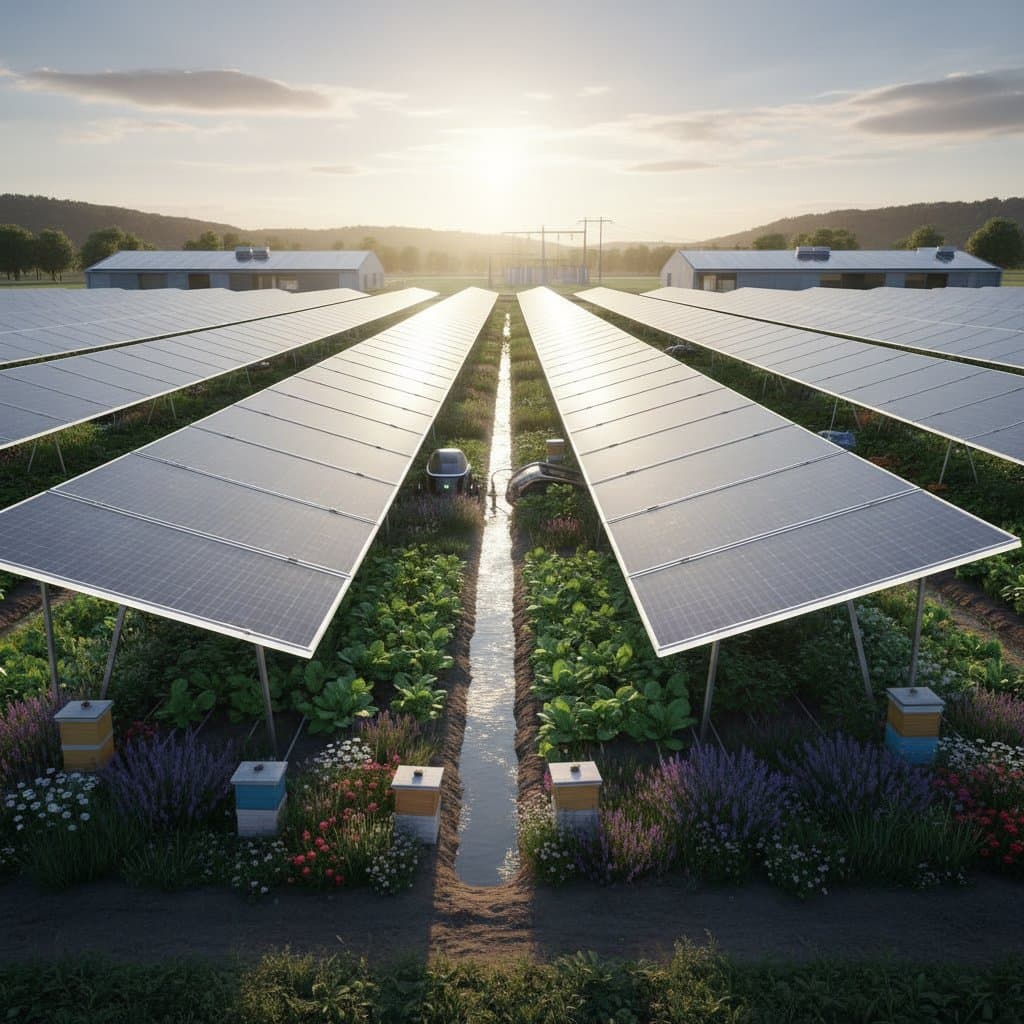
Featured image for Agrivoltaics Lets Farmers Grow Crops and Generate Power

Agrivoltaics Lets Farmers Grow Crops and Generate Power

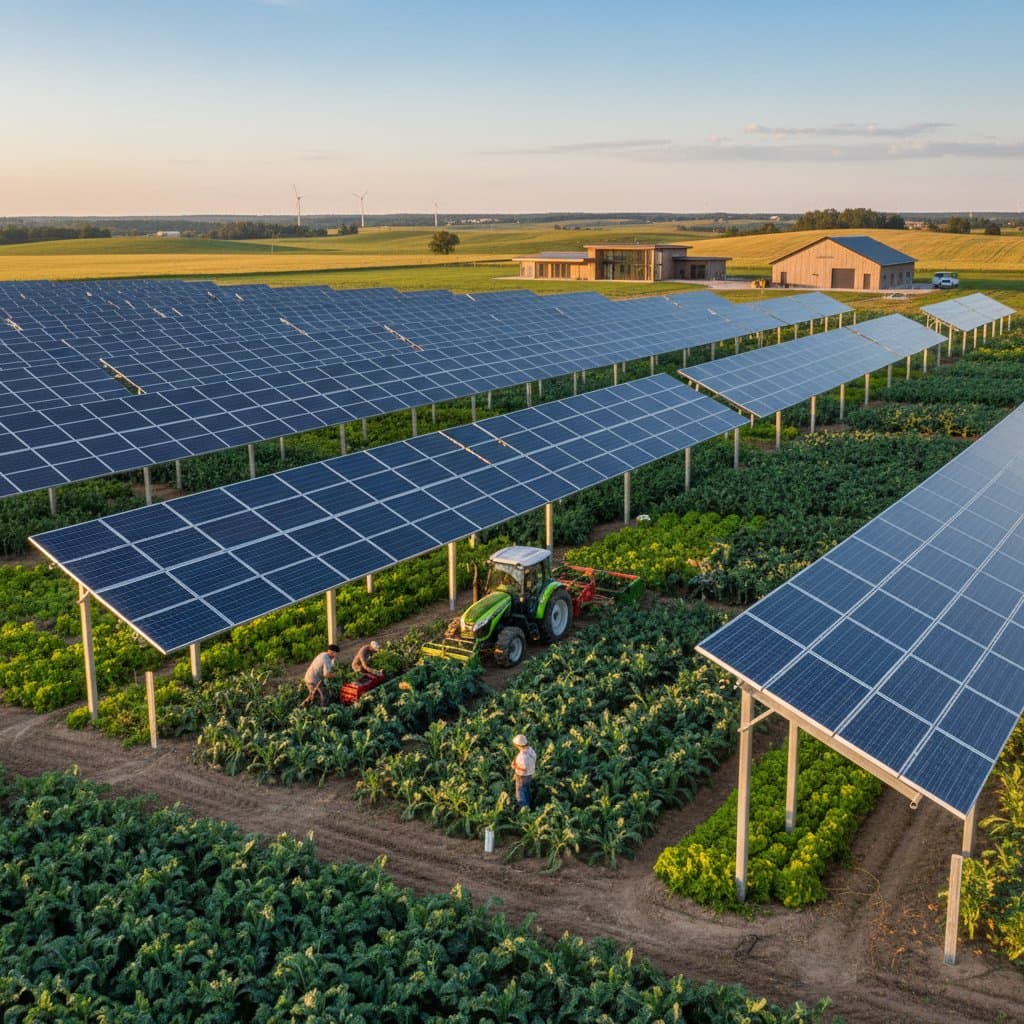
Agrivoltaics revolutionizes agriculture in 2025 by integrating solar energy production with ongoing crop cultivation. Elevated solar panels permit sunlight to reach plants below while generating electricity, thus creating dual revenue sources. This approach enhances farm resilience, optimizes water use, supports pollinator habitats, and bolsters rural economies, proving that sustainability and profitability can advance together.

5 min read
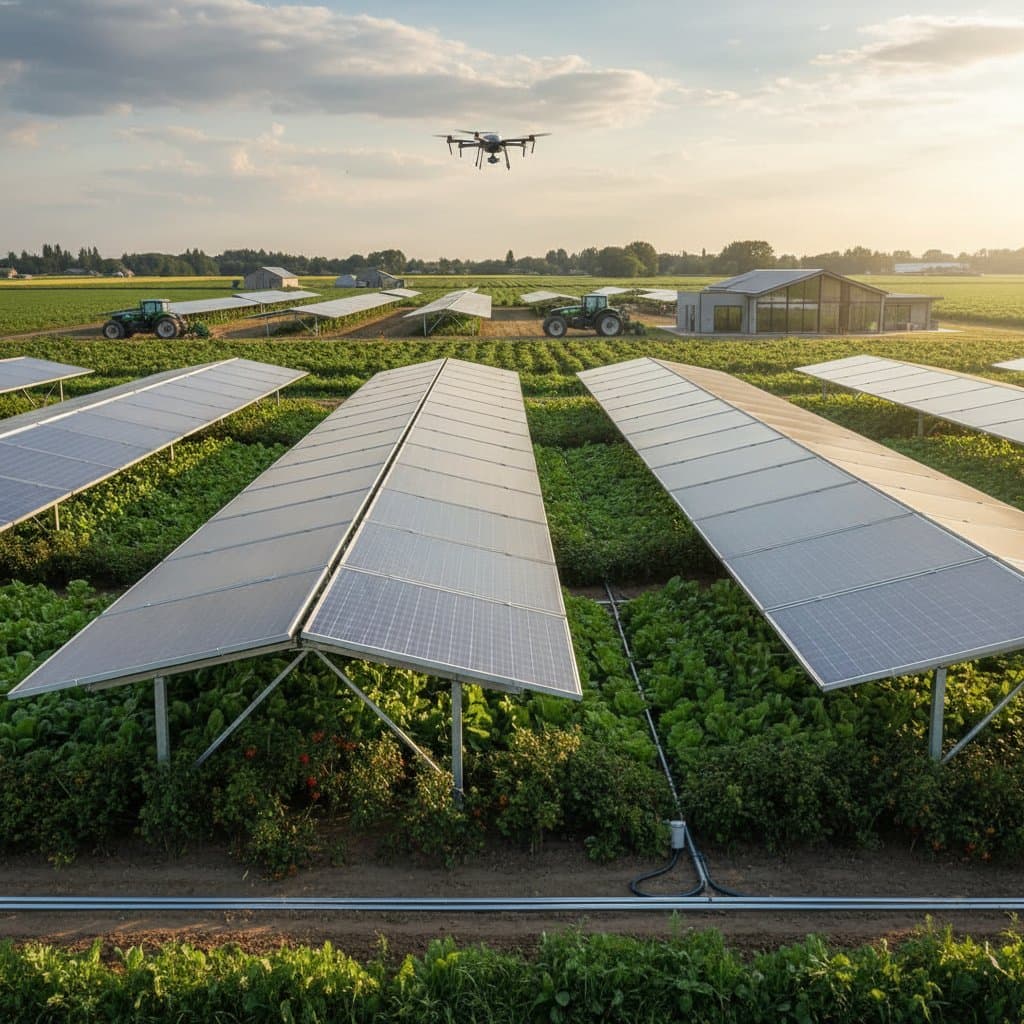
Featured image for Agrivoltaics: Growing Crops and Power on Same Land

Agrivoltaics: Growing Crops and Power on Same Land

In 2025, agrivoltaics revolutionizes agriculture by integrating crop production with solar energy generation on the same land, yielding dual benefits of food and power. Farmers experience enhanced efficiency, reduced water usage, and quicker investment returns. Bolstered by financial incentives, this method delivers resilient harvests and strong sustainability credentials, reshaping farming practices in both rural expanses and suburban vicinities.

6 min read
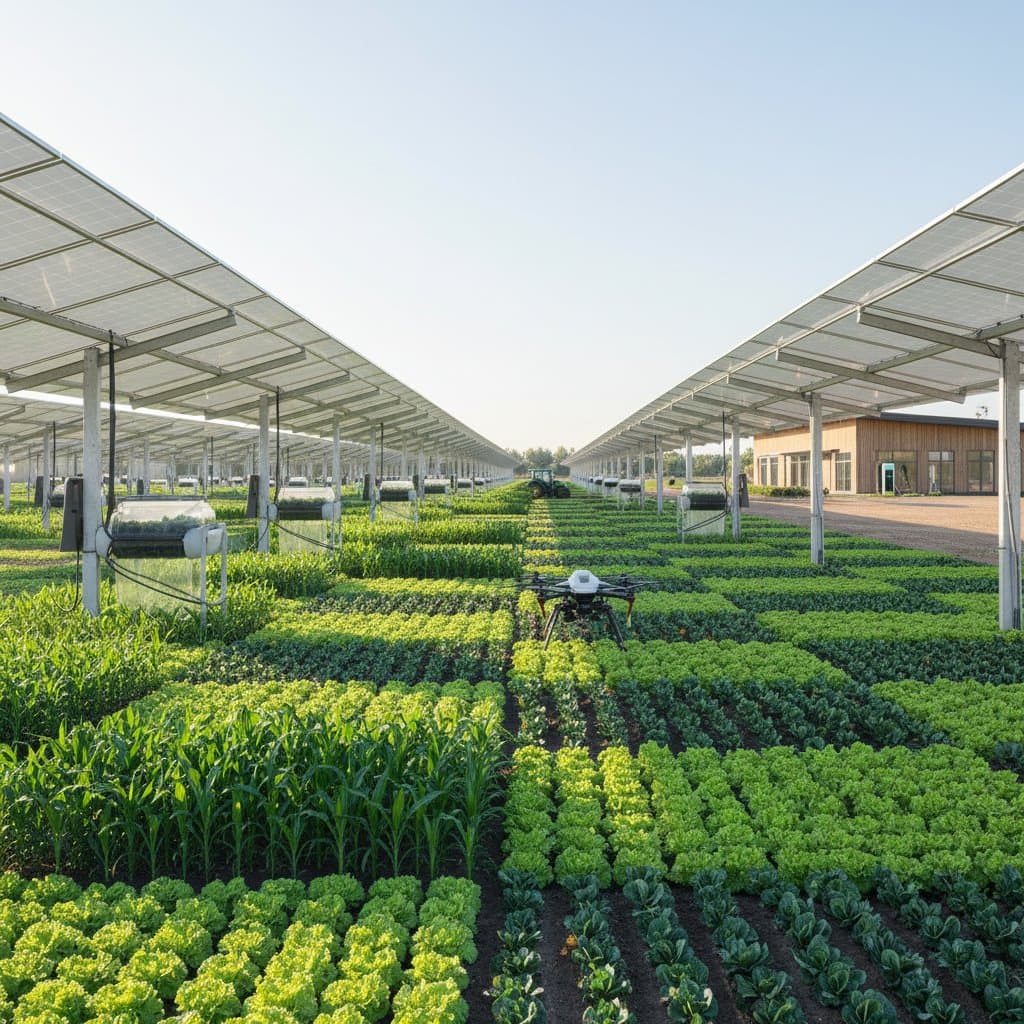
Featured image for Solar Panels That Share Farmland Without Displacing Crops

Solar Panels That Share Farmland Without Displacing Crops

Agrivoltaics integrates solar power with agriculture, enabling fields to produce both food and clean energy. This innovative practice increases farmer earnings, preserves precious land, and promotes ecological balance. Through expert design, code compliance, and professional installation, these systems empower communities with reliable local food and power sources.

5 min read
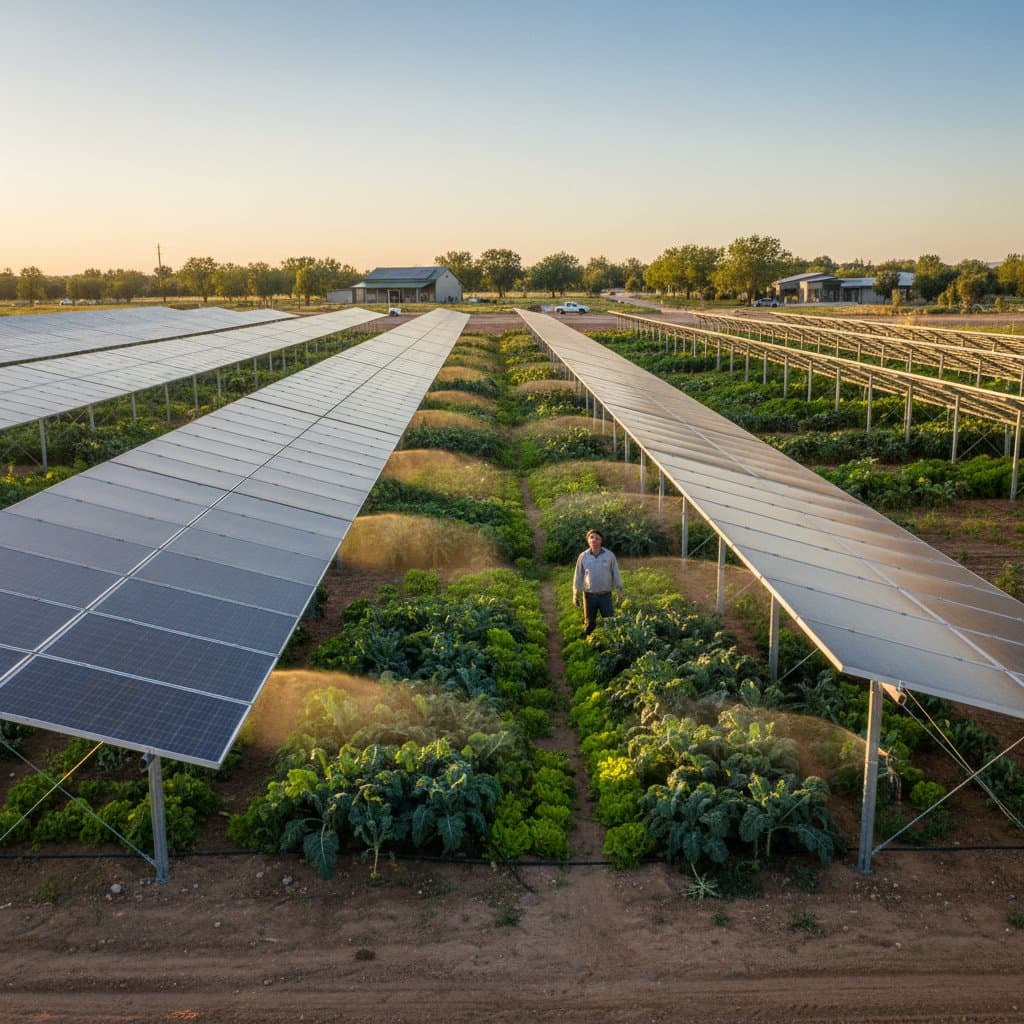
Featured image for Agrivoltaics: How Farms Earn While Growing Crops

Agrivoltaics: How Farms Earn While Growing Crops

Farmers turn fields into multifunctional spaces with agrivoltaics, cultivating crops alongside solar energy generation. This method improves income reliability, safeguards soil health, and reduces emissions. As incentives and designs advance, 2025 signals a key shift toward integrated sustainable agriculture and renewable power.

6 min read