
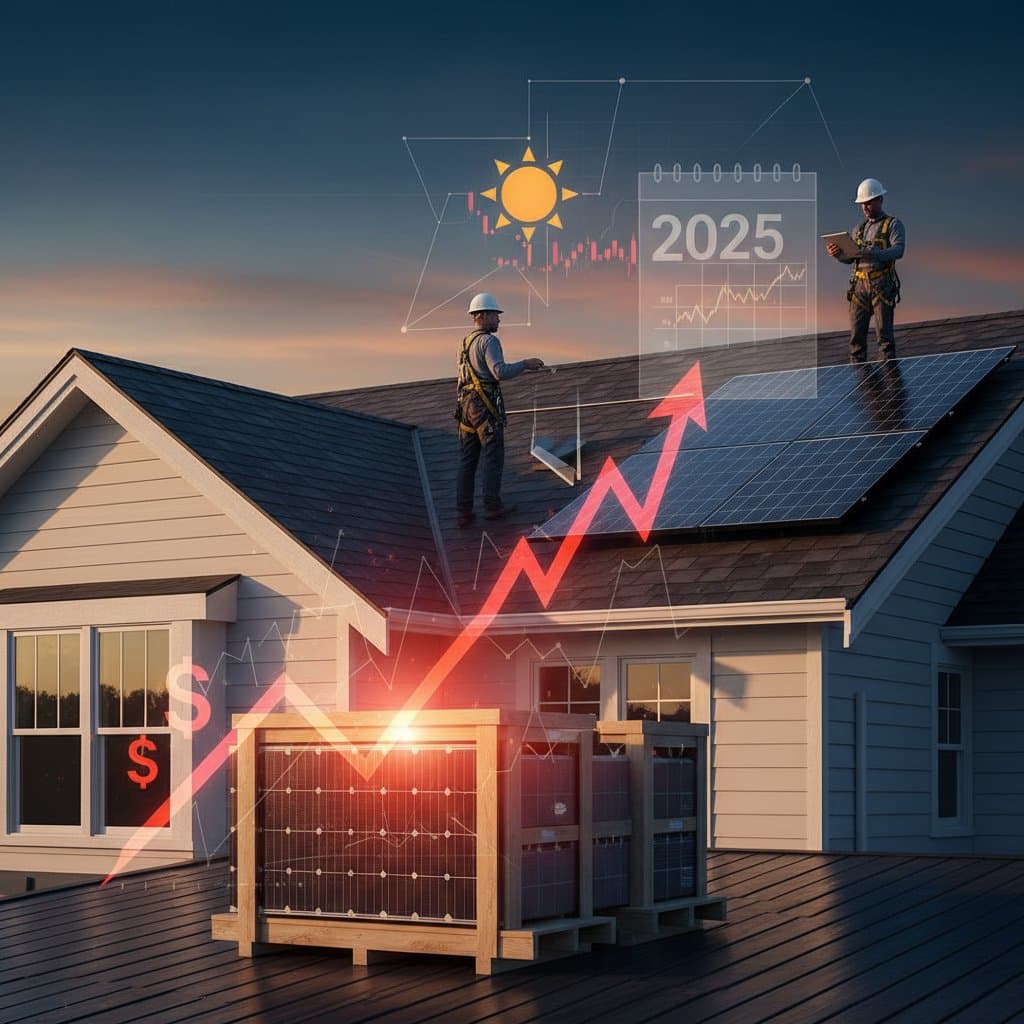
2025 Solar Tariffs: Prepare for Rising Panel Costs and Supply Challenges
Homeowners who plan to install solar panels in the near future must anticipate elevated equipment expenses. Federal import tariffs on solar modules and related components will elevate prices throughout the supply chain. Although these measures seek to bolster domestic manufacturing, residential consumers will experience immediate drawbacks. A clear grasp of the underlying factors enables informed planning to avoid escalating costs.
Reasons Behind the Tariff Increases
The United States government continues to implement stricter trade policies targeting imported photovoltaic modules and cells. These tariffs focus on panels produced in overseas facilities, which dominate the current market supply. The primary goal involves fostering greater solar production within the country, yet reliance on imports persists for the majority of available products. As tariffs rise, distributors transmit the added expenses to installers, who then reflect them in quotes for homeowners.
Analysts from the Solar Energy Industries Association predict that prices for imported panels may increase by double-digit percentages upon implementation. For instance, a standard residential solar system priced at fifteen thousand dollars could rise by two thousand to four thousand dollars, varying by regional factors, system size, and specific equipment selections. Such shifts underscore the urgency for buyers to evaluate options promptly.
Direct Effects on Residential Solar Projects
Projects already under contract stand a good chance of evading the new pricing if materials receive early procurement. For prospective buyers, however, surcharges may apply to every element, including panels, inverters, and mounting hardware. Installers could encounter extended lead times while identifying and obtaining products that comply with the updated regulations.
Consider these key repercussions:
- Elevated initial expenses for outright purchases or leasing arrangements
- Diminished stock of economical panel options from international sources
- Postponed project timelines stemming from constrained supply chains
- Heightened demand for modules manufactured domestically and certified accordingly
Should an installer fail to secure prevailing rates prior to tariff enforcement, the overall project budget may expand significantly. Homeowners benefit from discussing these risks openly during initial consultations.
Boosting Domestic Production and Employment Opportunities
Proponents of the tariffs emphasize their role in enhancing local manufacturing capabilities and generating employment for United States workers. Multiple companies have revealed intentions to expand factory outputs in response. This development promises long-term supply stability, though achieving equilibrium between production and market needs requires several years. In the interim, imported parts will continue to fulfill essential requirements for ongoing installations.
For Philadelphia residents, the implications include a temporary cost elevation, followed by progressive stabilization as domestic facilities achieve full operational scale. Local installers monitor these evolutions attentively, given the robust demand for home solar systems in the region. Such awareness helps align projects with emerging market dynamics.
Steps to Take Before Tariffs Impact Pricing
Individuals contemplating solar adoption should initiate actions ahead of the upcoming tariff rollout. Follow this structured approach:
-
Solicit quotes from several certified installers. Inquire about their ability to provide pricing guarantees via formal agreements that specify tariff protections.
-
Verify the sourcing of proposed equipment. Certain vendors maintain access to panels exempt from tariffs through existing stockpiles or alternative suppliers.
-
Assess financing options without delay. Securing a loan or lease at current interest rates shields against future escalations in system costs.
-
Review permitting processes with the Philadelphia Department of Licenses and Inspections. Understanding approval timelines prevents scheduling conflicts that could compound delays.
-
Inquire about available inventory. Providers holding pre-tariff panels often extend competitive pricing on immediate installations.
-
Confirm installer credentials thoroughly. Ensure the company holds necessary licenses, insurance coverage, and expertise in Pennsylvania state codes alongside Philadelphia-specific regulations.
Professional installation remains essential, as self-directed efforts overlook critical aspects such as high-voltage wiring, proper grounding, and utility interconnection protocols. These elements demand adherence to rigorous safety and performance standards.
Strategies for Long-Term Solar Success
Solar energy installations deliver enduring financial benefits through reduced utility dependence and environmental contributions. Tariff-induced price adjustments do not diminish the overall return on investment, provided buyers time their decisions wisely. Engage trusted regional providers to obtain detailed proposals that address tariff vulnerabilities.
Philly Goes Solar urges scheduling professional assessments at the earliest opportunity. Pose targeted inquiries regarding component origins, performance warranties, and exposure to policy changes. Expert guidance ensures a secure, compliant setup that delivers optimal value while navigating market transitions effectively.