
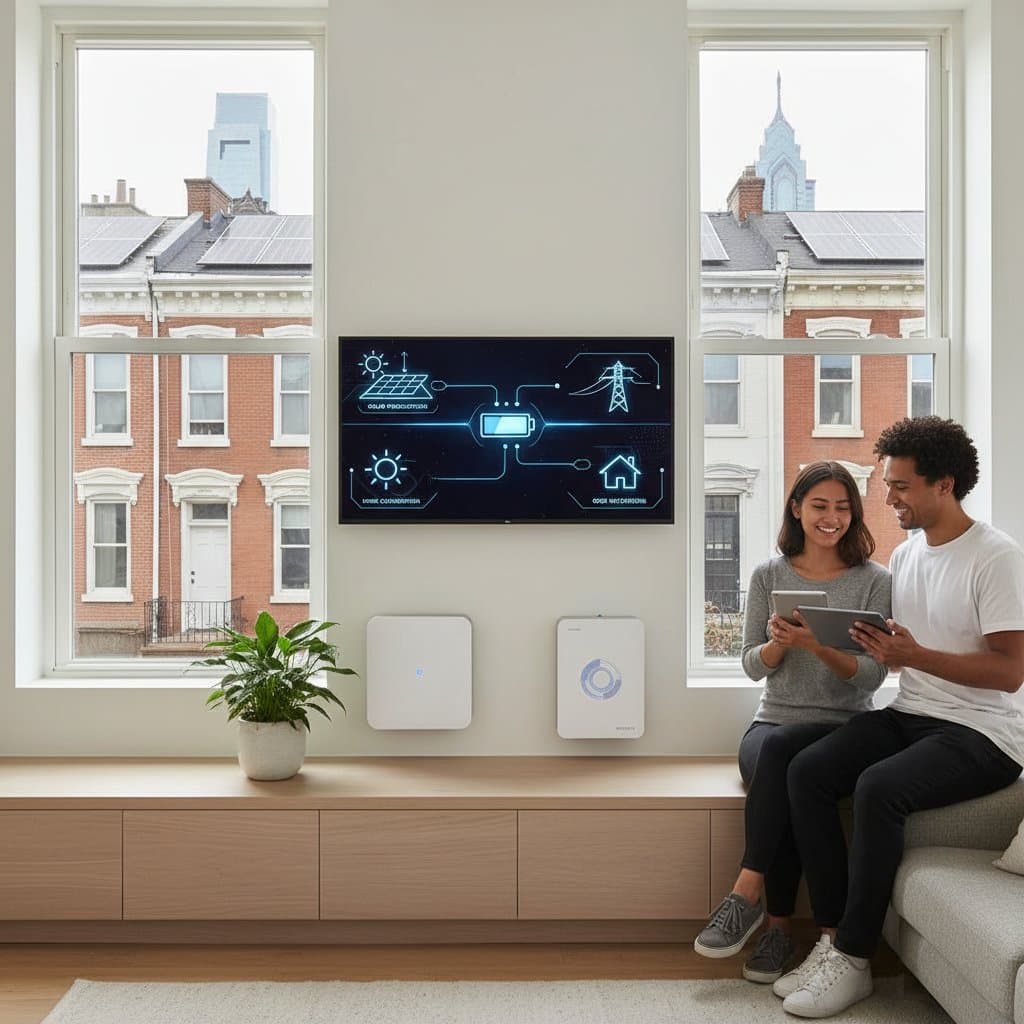
Hybrid Solar Systems: Balancing Grid Reliability and Energy Independence
Philadelphia homeowners seek effective methods to lower electricity costs, enhance energy security, and decrease dependence on utility supplies. Hybrid solar systems, also known as grid-interactive setups, integrate the dependability of grid connections with the autonomy of battery storage. This approach provides flexibility and oversight during power interruptions or high-demand pricing times, all while adhering to local electrical codes and safety requirements.
Hybrid solar represents more than a mere equipment selection; it constitutes a comprehensive energy plan. The system sources power from solar panels, battery reserves, or the utility grid based on current conditions. Consequently, users experience consistent electricity supply, decreased expenses, and a fortified residential energy configuration.
Ensuring Safety and Regulatory Compliance
Hybrid solar installations must conform to electrical standards set by the relevant local authority. These projects typically align with National Electrical Code Article 705, which governs interconnected power sources. Homeowners verify that all elements carry appropriate listings and labels for their intended applications.
Essential safety measures encompass the following:
- Adequate grounding and bonding for all metallic components.
- Installation of certified disconnect switches reachable by utility personnel.
- Appropriate sizing of conductors alongside overcurrent safeguards.
- Battery housings suited to the surrounding environment.
Homeowners halt any project suggesting unapproved parts or skipped permits. Only qualified electricians or accredited solar professionals guarantee secure adherence and successful inspections.
Distinguishing Hybrid, Grid-Tied, and Off-Grid Solar Options
Different solar configurations address unique homeowner priorities.
Grid-Tied Systems:
- Exclude battery storage.
- Feature the minimal initial investment.
- Depend completely on the utility for reserve power.
- Cease operation during grid failures to prioritize safety.
Off-Grid Systems:
- Operate without any grid linkage.
- Necessitate extensive battery arrays and possibly auxiliary generators.
- Involve elevated setup and upkeep expenses.
- Suit isolated or countryside locations best.
Hybrid Grid-Interactive Systems:
- Unite solar panels, batteries, and grid connectivity.
- Deliver reserve power amid disruptions.
- Facilitate direct usage and grid export via net metering.
- Harmonize affordability with self-sufficiency.
Hybrid configurations offer optimal advantages from both realms. Homeowners remain grid-linked yet shield their residences from interruptions and price volatility.
Achieving Energy Autonomy and Expense Management
Utility rates frequently fluctuate according to time of use. Hybrid systems empower homeowners to sidestep premium periods by drawing on stored power rather than grid supply. During lower-rate intervals, the setup replenishes batteries from solar generation or the grid.
Numerous hybrid inverters connect to mobile applications displaying live metrics, allowing users to refine consumption habits. For instance, energy-intensive devices operate optimally when solar output peaks, minimizing grid reliance.
Principal advantages include:
- Diminished utility statements via on-site consumption.
- Mitigation of outage consequences.
- Efficient utilization of generated solar energy.
- Sustained stability in long-range energy expenditures.
The Installation Sequence and Verification Steps
Assembling a hybrid solar system proceeds through an organized sequence.
- Site Assessment: Installers evaluate roof angle, direction, and potential obstructions.
- System Planning: Specialists determine dimensions for panels, inverters, and batteries according to energy needs and objectives.
- Permit Acquisition: Documentation submits to municipal electrical and construction offices.
- On-Site Assembly: Components such as panels, inverters, disconnects, and cabling install in accordance with regulations.
- Review and Commissioning: Local inspectors examine the setup prior to utility integration.
Systems activate only post-inspection approval. Premature energization risks reverse current into utility lines, posing hazards to line workers.
Integrating with Philadelphia's Utility Framework and Net Metering
Philadelphia residents navigate rules from their utility provider and the Pennsylvania Public Utility Commission. Hybrid systems link via bidirectional meters monitoring energy exchange directions.
Surplus solar generation beyond household demand returns to the grid. Net metering policies credit these contributions to the user's bill. When demand surpasses production, the system imports grid power, balanced by accumulated credits.
Homeowners confirm prevailing net metering provisions prior to proceeding. Utilities may revise credit values or establish capacity thresholds.
Broader Environmental and Local Benefits
Hybrid solar alleviates pressure on the regional grid during high-demand phases. This action averts voltage dips and curtails emissions from reserve fossil fuel facilities. Individual households managing their energy bolster a stronger communal infrastructure.
The U.S. Department of Energy notes that decentralized solar paired with storage bolsters grid robustness and aids crisis management in extreme weather. Philadelphia's increasing embrace of hybrid solar advances area targets for sustainable, dependable power networks.
Addressing Typical Challenges and Resolutions
Properly installed hybrid systems prove dependable, yet specific indicators demand prompt review:
- Recurrent Inverter Errors: Potentially signal wiring discrepancies or grid instability.
- Incomplete Battery Charging: Possibly stems from software configurations or thermal factors.
- Abrupt Outage Halts: Frequently result from inadequate essential load wiring.
- Diminished Solar Yield: Inspect for obstructions, accumulation, or panel impairments.
Users refrain from independent resets or equipment access. Document fault indicators and summon installers for thorough evaluations.
Steps to Advance Your Hybrid Solar Project
- Define Priorities: Determine if outage safeguards, cost savings, or a combination drives your decision.
- Secure Evaluation: Engage certified contractors for comprehensive energy audits and structural reviews.
- Audit Existing Infrastructure: Confirm panel capacity, grounding integrity, and service adequacy for enhancements.
- Evaluate Guarantees: Seek minimum decade-long coverage on inverters and batteries.
- Arrange Upkeep: Book yearly expert inspections to sustain efficacy and security.
These measures position Philadelphia homes for enduring energy reliability and savings.