
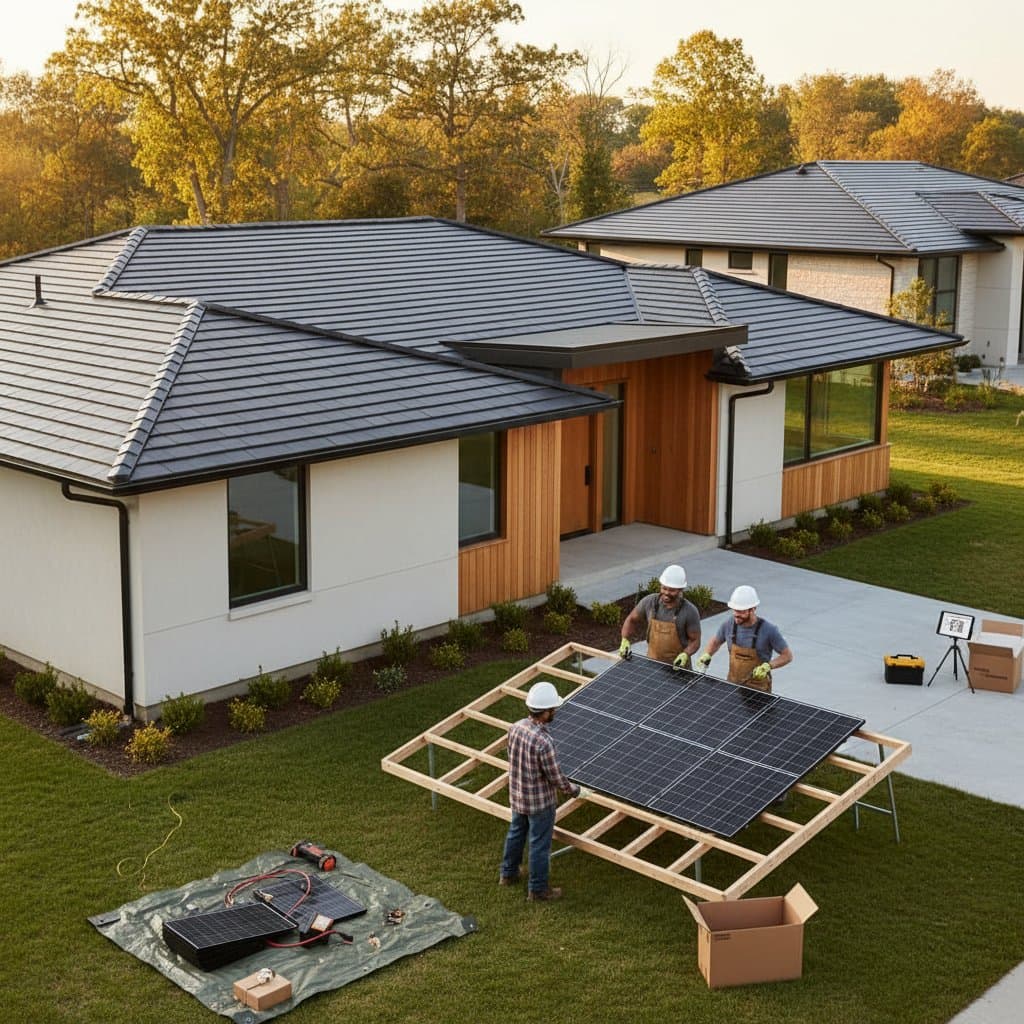
Affordable DIY Solar Shingles That Rival Tesla for Under $15,000
Solar energy adoption continues to grow as homeowners seek reliable, efficient ways to power their lives sustainably. Traditional solar panels often require bulky installations that alter a home's appearance. In contrast, solar shingles blend seamlessly with roofing, providing a modern alternative that combines functionality with aesthetics.
These innovative products embed photovoltaic cells within shingle materials, generating electricity while protecting the home from weather elements. Unlike conventional panels mounted above the roof, solar shingles replace standard roofing during installation. This integration minimizes visual disruption and maximizes space efficiency, appealing to those who prioritize design alongside performance.
Understanding Solar Shingles and Their Advantages
Solar shingles function similarly to traditional solar panels by converting sunlight into usable electricity through semiconductor materials. However, their form factor sets them apart: each shingle measures roughly the size of a standard asphalt shingle but includes built-in solar technology. Manufacturers produce them in various colors and styles to match existing roofs, ensuring a cohesive look.
Key advantages include durability against harsh weather, with many models rated for winds up to 110 miles per hour and impact resistance comparable to high-end roofing. They also qualify for federal tax credits, such as the 30 percent investment tax credit, which further lowers the effective cost. Homeowners benefit from reduced energy bills over time, as the system offsets a significant portion of household electricity needs.
Compared to ground-mounted or rack systems, solar shingles eliminate the need for additional support structures, simplifying the overall setup. This roof-level approach reduces installation time and potential points of failure, leading to longer system lifespans often exceeding 25 years with proper maintenance.
Comparing DIY Solar Shingles to Tesla's Solar Roof
Tesla's Solar Roof represents a premium benchmark in integrated solar technology, featuring glass tiles that mimic traditional slate or terracotta while generating power. Each Tesla installation costs between $40,000 and $60,000 for an average home, depending on roof size and complexity. The system includes advanced inverters and battery storage options, but the high price point limits accessibility for many.
DIY solar shingles offer a compelling alternative at under $15,000 for a complete kit covering 1,000 square feet, sufficient for most mid-sized homes. Brands like CertainTeed or GAF Energy provide kits with pre-wired components, matching Tesla's output of approximately 10-15 kilowatts per installation. Efficiency rates hover around 18-22 percent, close to Tesla's 20 percent, ensuring comparable energy production per square foot.
While Tesla handles full installation through certified professionals, DIY options empower users with modular designs that require basic tools and skills. This hands-on approach cuts labor costs, which can account for 50 percent of traditional installs. Both systems integrate with home electrical panels via microinverters, but DIY kits often include user-friendly apps for monitoring production and consumption in real time.
Cost Breakdown and Financial Benefits
A typical DIY solar shingle kit includes shingles, mounting hardware, inverters, and wiring essentials, priced at $10,000 to $14,000 before incentives. Additional expenses cover permits, around $500, and optional battery storage at $5,000 extra if desired. Installation materials like sealants and flashing add another $1,000, keeping the total under budget.
Payback periods vary by location and energy usage, but many achieve breakeven in seven to eight years through bill savings of $1,000 to $2,000 annually. Property values increase by an average of 4 percent in solar-equipped homes, according to industry data. Long-term, owners enjoy locked-in energy costs immune to rising utility rates, fostering financial stability.
Federal and state incentives amplify returns: the solar investment tax credit applies directly to DIY purchases, while net metering policies in many areas credit excess power back to the grid. These factors make solar shingles a smart investment for budget-conscious homeowners seeking independence from fossil fuels.
Step-by-Step Guide to Installing DIY Solar Shingles
Preparation forms the foundation of a successful installation. Begin by assessing your roof's condition: ensure it measures at least 800 square feet of south-facing exposure for optimal sunlight capture. Obtain necessary permits from local authorities and consult building codes to confirm compliance.
-
Gather Tools and Safety Gear: Assemble a toolkit including a pry bar, hammer, utility knife, drill, and ladder. Wear protective gloves, goggles, and harnesses to prevent accidents during roof work.
-
Remove Old Roofing: Strip existing shingles in sections, starting from the eaves and working upward. Dispose of debris responsibly, checking for underlying damage that requires repair before proceeding.
-
Install Underlayment and Flashing: Lay waterproof membrane across the roof deck, securing it with nails. Position metal flashing around edges, vents, and chimneys to direct water flow and protect electrical components.
-
Lay Solar Shingles: Start at the bottom row, interlocking shingles as directed by the kit manual. Connect wiring leads to adjacent shingles, routing cables through designated channels to avoid exposure. Use provided clips for secure fastening without penetrating the roof surface excessively.
-
Connect Electrical System: Wire the array to a central inverter mounted in the attic or garage. Integrate with your home's electrical panel through a licensed electrician if unfamiliar with codes. Test connections for continuity and safety.
-
Final Inspection and Activation: Inspect all seals and connections for tightness. Schedule a professional inspection if required, then activate the system to begin generating power. Monitor initial output via the companion app to verify performance.
This process typically spans one to two weekends for a small team, far quicker than professional solar panel setups.
Maintenance Tips for Long-Term Performance
Regular upkeep ensures solar shingles operate at peak efficiency. Inspect the roof biannually for debris accumulation, such as leaves or branches, which can shade cells and reduce output. Clean surfaces gently with a soft brush and water, avoiding harsh chemicals that might degrade materials.
Monitor system performance through integrated software, which alerts to drops in production indicating potential issues like loose connections. Address minor repairs promptly, such as resealing edges, to prevent water intrusion. Professional servicing every five years checks inverter health and overall integrity.
With diligent care, these systems maintain 90 percent efficiency after 20 years, outlasting many traditional roofs and providing decades of clean energy.
Embracing Energy Independence Through Solar Integration
Adopting DIY solar shingles positions homeowners at the forefront of sustainable innovation, rivaling high-end solutions without the premium price. This approach not only slashes energy costs but also enhances resilience against power outages and environmental shifts. By taking control of installation, individuals gain confidence in their home's energy future.
The result extends beyond savings: communities benefit from reduced grid strain and lower carbon emissions. Homeowners report heightened satisfaction from visible contributions to a greener planet. Consider this upgrade as a pathway to lasting security and empowerment in an evolving energy landscape.