
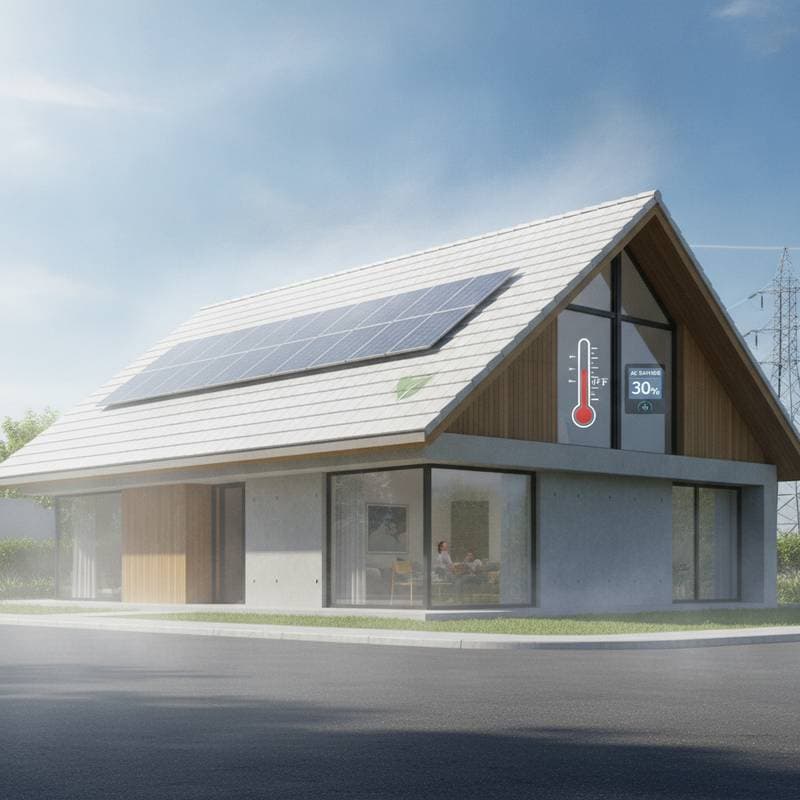
Cool Roofs Reduce Air Conditioning Costs During Heat Waves
Homeowners often face elevated air conditioning expenses during peak summer heat. Roofs absorb substantial solar energy, which raises indoor temperatures and increases cooling demands. Cool roofs address this issue by reflecting sunlight rather than absorbing it. This approach can lower air conditioning costs by up to 30 percent during heat waves while improving indoor comfort and extending roof lifespan.
Benefits apply in various climates. Cities such as Philadelphia encounter prolonged hot and humid periods that intensify heat absorption on dark roofs. A reflective surface maintains lower attic temperatures even under high outdoor conditions. Homeowners may begin with targeted coatings or proceed to full roof replacement based on existing conditions and available resources.
Mechanism of Cool Roof Performance
Cool roof materials reflect greater amounts of sunlight and release absorbed heat more effectively than conventional options. Sunlight interaction with roofing involves reflection into the atmosphere or conversion into heat that transfers indoors. Standard dark shingles can exceed 150 degrees Fahrenheit on summer afternoons. Reflective alternatives remain near 100 degrees under identical exposure.
This temperature reduction limits heat transfer to living areas. Air conditioning systems operate for shorter durations to achieve target indoor temperatures. Electricity consumption decreases accordingly, which supports lower utility expenses and reduced environmental impact.
Quantified Energy and Cost Reductions
A typical 2,000 square foot residence with an asphalt roof may incur 600 dollars in summer cooling costs at 24 cents per kilowatt hour for 2,500 kilowatt hours of usage. Application of a cool roof that achieves 30 percent cooling reduction yields approximately 180 dollars in annual savings. Cumulative savings reach 1,800 dollars over ten years prior to rate adjustments.
Additional measures amplify results. Attic insulation improvements, duct sealing, and programmable thermostats can elevate total cooling savings beyond 40 percent. Occupants frequently note more stable room temperatures throughout the day.
Available Cool Roofing Options
Several material types accommodate different structures and budgets.
- Reflective shingles incorporate specialized granules to increase solar bounce while maintaining a conventional appearance.
- Cool roof coatings apply over existing surfaces to provide immediate reflectivity and ultraviolet protection.
- Metal panels finished with reflective coatings achieve up to 70 percent solar reflection and carry extended warranties.
- Membrane or tile systems suit flat roofs and deliver high reflectance along with strong thermal emittance.
Products display verified solar reflectance and thermal emittance values. Higher ratings correspond to superior cooling performance.
Investment Requirements and Recovery Period
Cool roof installation adds 1 to 3 dollars per square foot above standard roofing expenses. For a 2,000 square foot surface the incremental cost ranges from 2,000 to 6,000 dollars. Annual savings of 150 to 250 dollars produce a payback interval of 8 to 12 years. When replacement is already planned the added expense decreases and recovery accelerates.
Rebates and financing programs from utilities or state agencies can offset 10 to 20 percent of initial outlay. Eligibility verification precedes project initiation.
Installation Procedures and Ongoing Care
Installation follows standard roofing practices beginning with assessment of pitch, ventilation, and substrate condition. Material selection, permitting, and scheduling follow. Most residential projects conclude within one to three days.
Maintenance involves periodic rinsing to remove debris. Annual inspections of seams and flashings preserve integrity. Low pressure washing with mild solutions maintains surface performance without damage.
Additional Advantages for Homes and Communities
Widespread adoption lowers neighborhood air temperatures and mitigates urban heat effects. Reduced attic heat preserves insulation performance and protects stored belongings. Equipment located in attics functions with greater efficiency. Roofing materials experience less expansion stress and retain integrity longer. Property appeal can increase due to documented utility reductions.
Practical Implementation Steps
- Schedule a professional roof evaluation to confirm suitability for reflective upgrades.
- Analyze prior utility records to establish baseline consumption.
- Select products with documented reflectance ratings appropriate for the roof configuration.
- Obtain detailed proposals from qualified contractors that include performance specifications.
- Inquire about available incentives through local energy programs.
- Establish a routine for surface cleaning and condition checks.
Collective adoption of cool roofs strengthens grid reliability during extreme heat events and delivers sustained household benefits.