New Solar Tariffs Could Add Thousands to Your System Cost
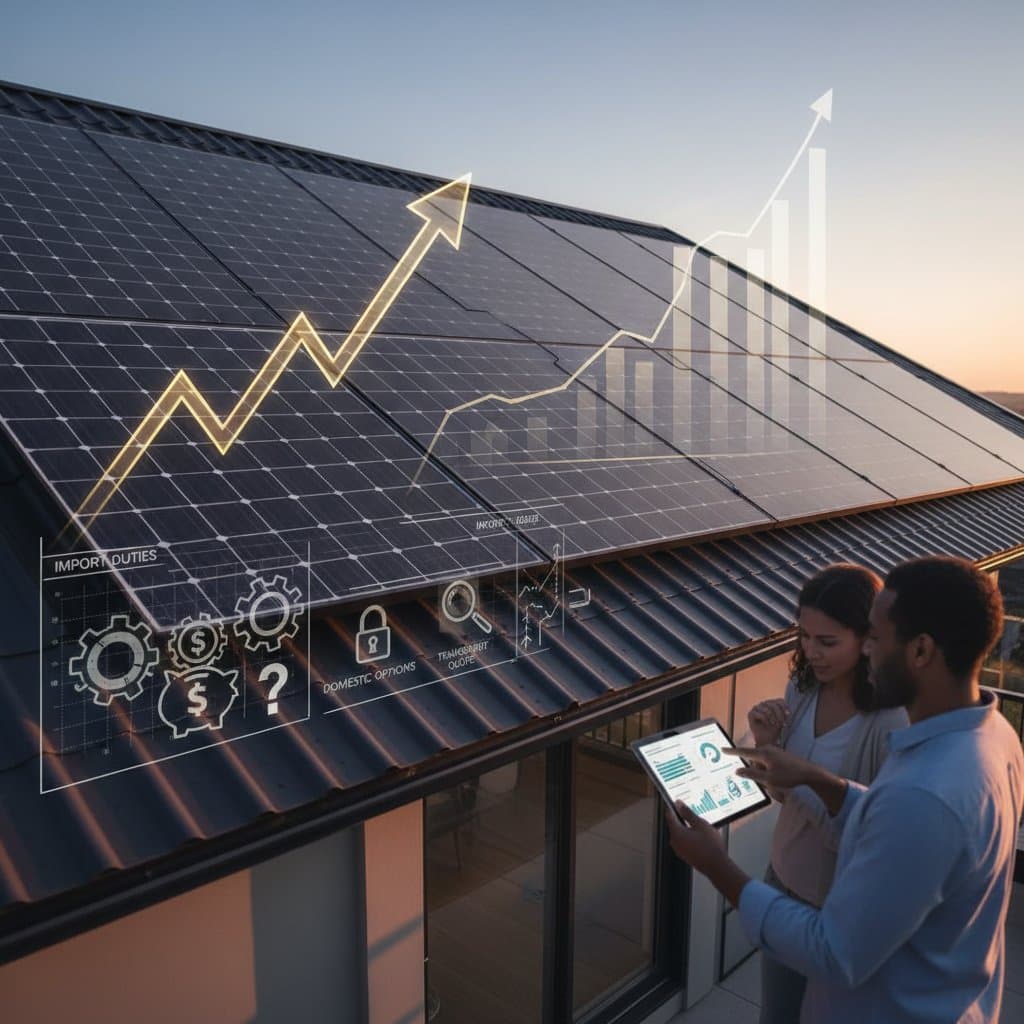
Upcoming 2026 tariffs on imported solar panels threaten to inflate equipment and installation expenses, affecting homeowner budgets, schedules, and energy savings.
Loading...
Upcoming 2026 tariffs on imported solar panels threaten to inflate equipment and installation expenses, affecting homeowner budgets, schedules, and energy savings.
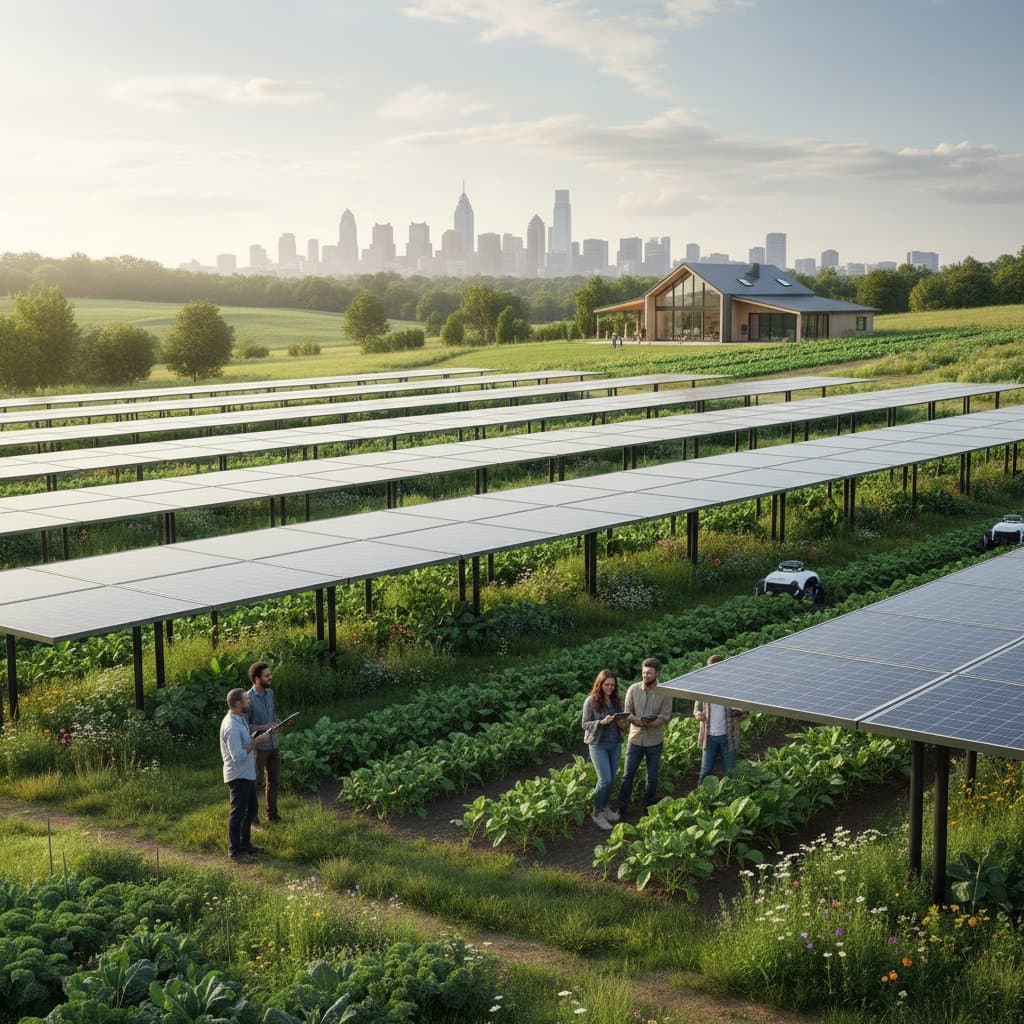
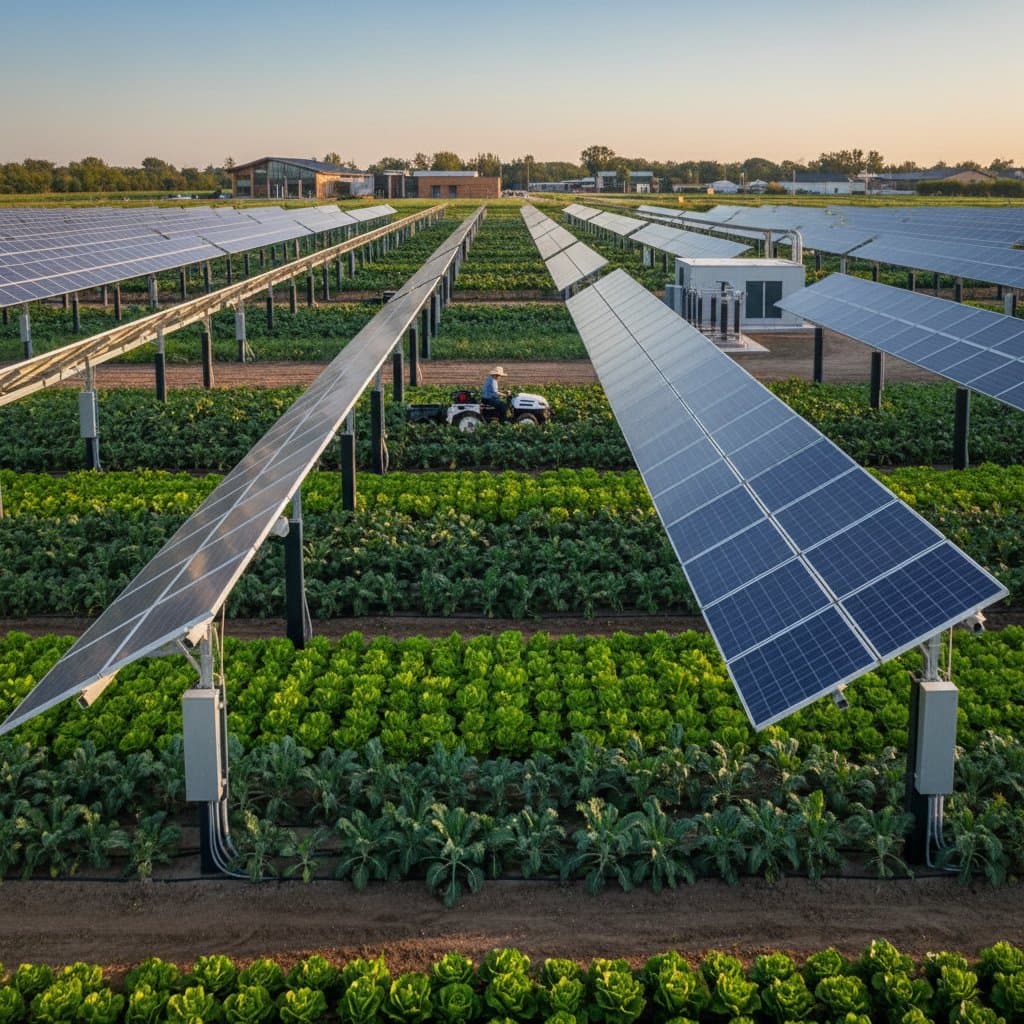
Agrivoltaic systems integrate solar panels with crop production to increase yields by up to 30 percent by 2026 while generating renewable energy. This approach conserves water, stabilizes farm income, and builds resilience against climate challenges. From small-scale operations to large estates, dual-use solar redefines land productivity by harnessing sunlight for both food and power.
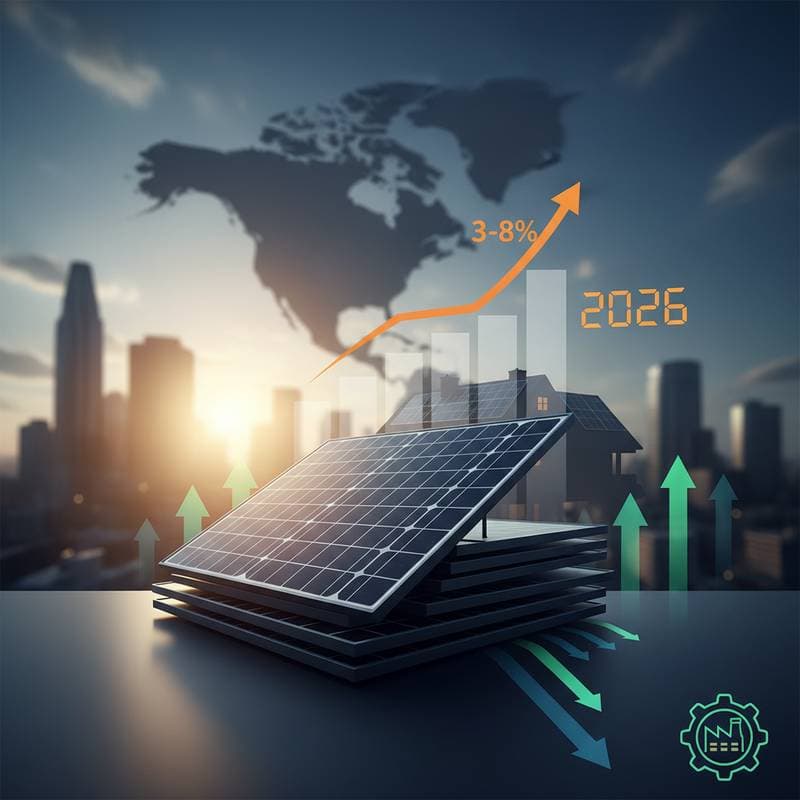
Solar panel prices are set to increase by 25% by 2026 due to expanding tariffs, rising material costs, and surging global demand. Homeowners can mitigate these impacts through strategic timing, incentive utilization, and informed equipment selections. This guide outlines key factors and practical steps to safeguard your solar investment.
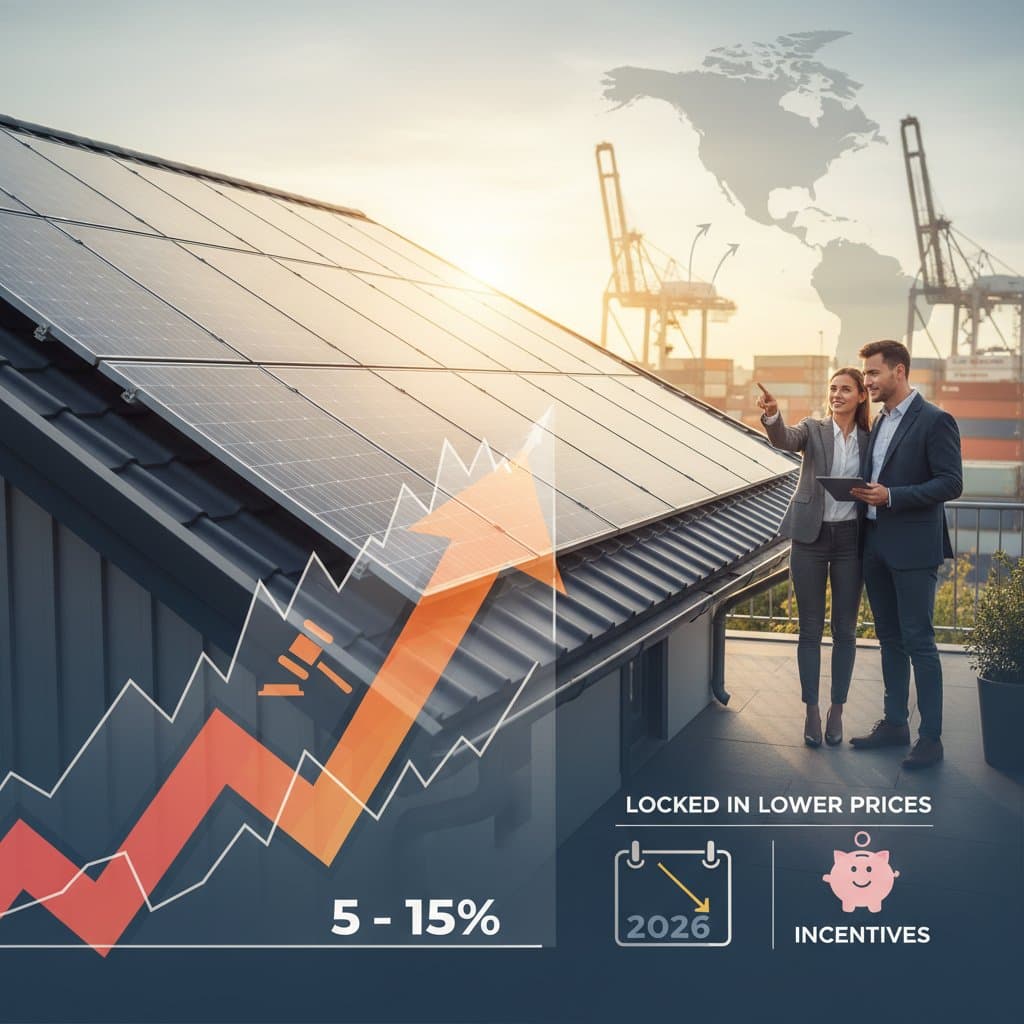
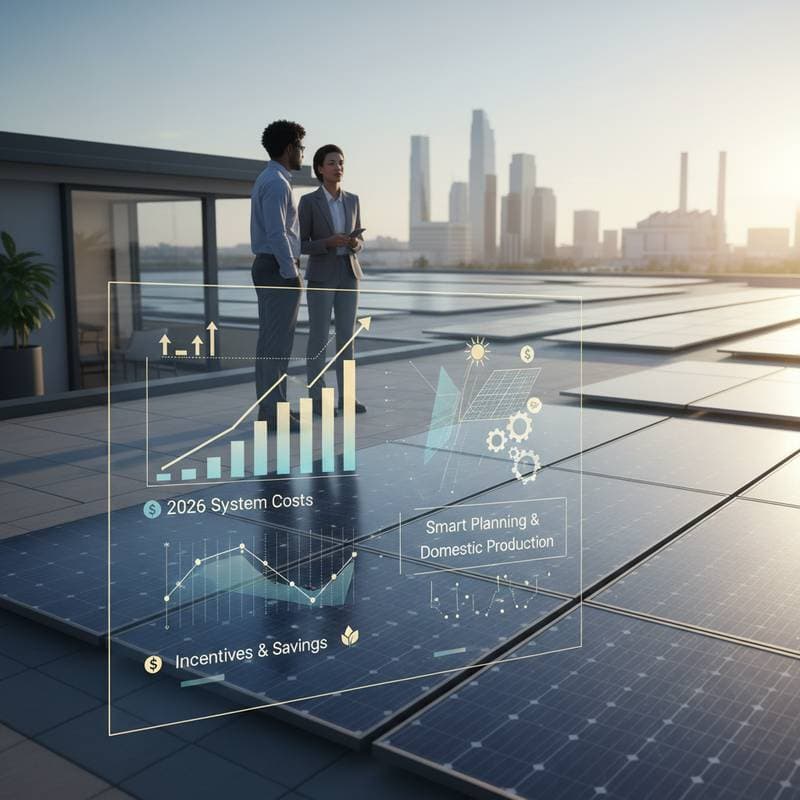
Tariffs on solar imports scheduled for 2026 may increase panel costs by about $420 for a typical system. However, federal incentives and rising panel efficiency maintain solar's appeal as a wise investment. Homeowners who grasp tariff mechanics, installation timing, and savings projections can secure favorable rates today for enduring benefits.
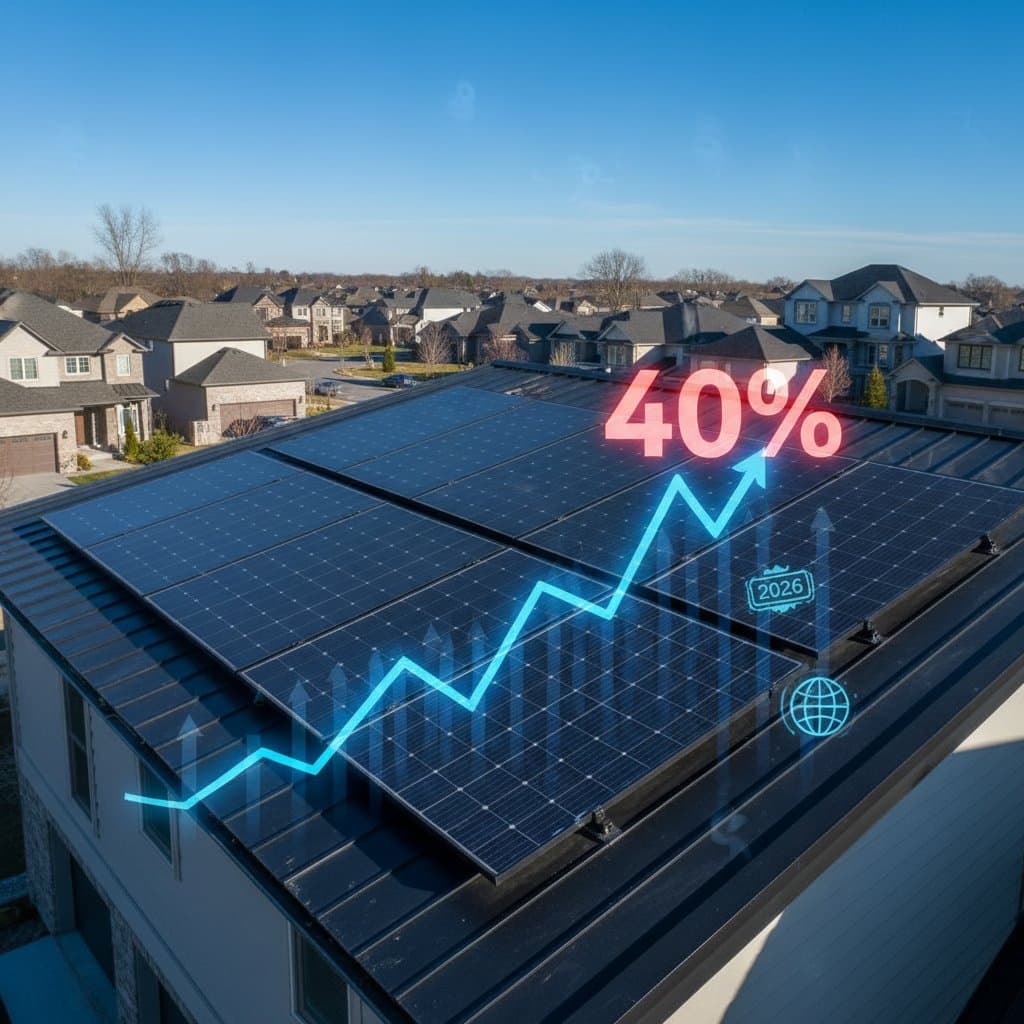
Upcoming tariffs threaten to elevate solar panel prices by 40 percent by 2026, reshaping the renewable energy landscape. Yet federal incentives, state rebates, and strategic timing preserve solar's value. This guide details the tariff effects, cost-saving measures, and reasons to install solar systems promptly for enduring energy independence and savings.
Agrivoltaics, or dual-use solar farming, integrates solar panels with crop growth or grazing, maximizing land for energy and food. This practice elevates productivity, fortifies farm incomes, improves soil conditions, and bolsters rural sustainability amid climate challenges.
By 2026, agrivoltaic systems integrate solar energy with agriculture, yielding food and electricity from unified land. These setups elevate farm revenues, optimize water use, and foster biodiversity. Pennsylvania landowners, through thoughtful design, safety protocols, and zoning adherence, convert fields into profitable centers for renewables and regional produce.
The 2026 solar tariffs may elevate panel prices modestly, yet U.S. manufacturing expansion and incentives will temper the effects. Expect brief cost upticks, sustained long-term savings, and reliable returns.
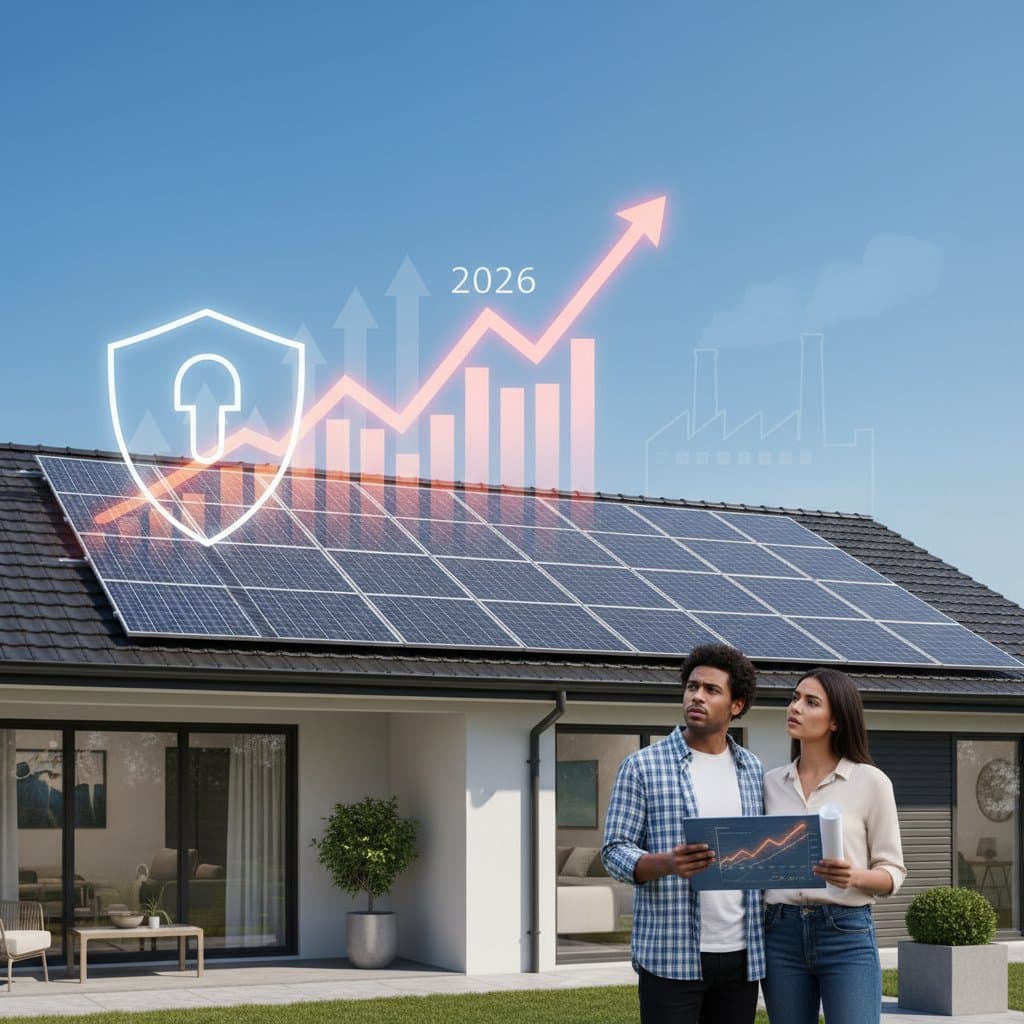
Upcoming 2026 tariffs may increase solar equipment costs by 40 percent, prompting homeowners to reassess timing and value. Solar installations continue to offer substantial long-term savings through strategic planning, federal incentives, and home efficiency enhancements. Early action, competitive quoting, and consideration of U.S.-made panels can mitigate higher prices and accelerate payback periods.
Agrivoltaics integrates agriculture and solar energy production, allowing crops and clean power to flourish together. Elevated panels mitigate heat stress, conserve water, and provide dual revenue streams. Supported by incentives, this approach transforms land use to strengthen food security, energy independence, and rural economies.
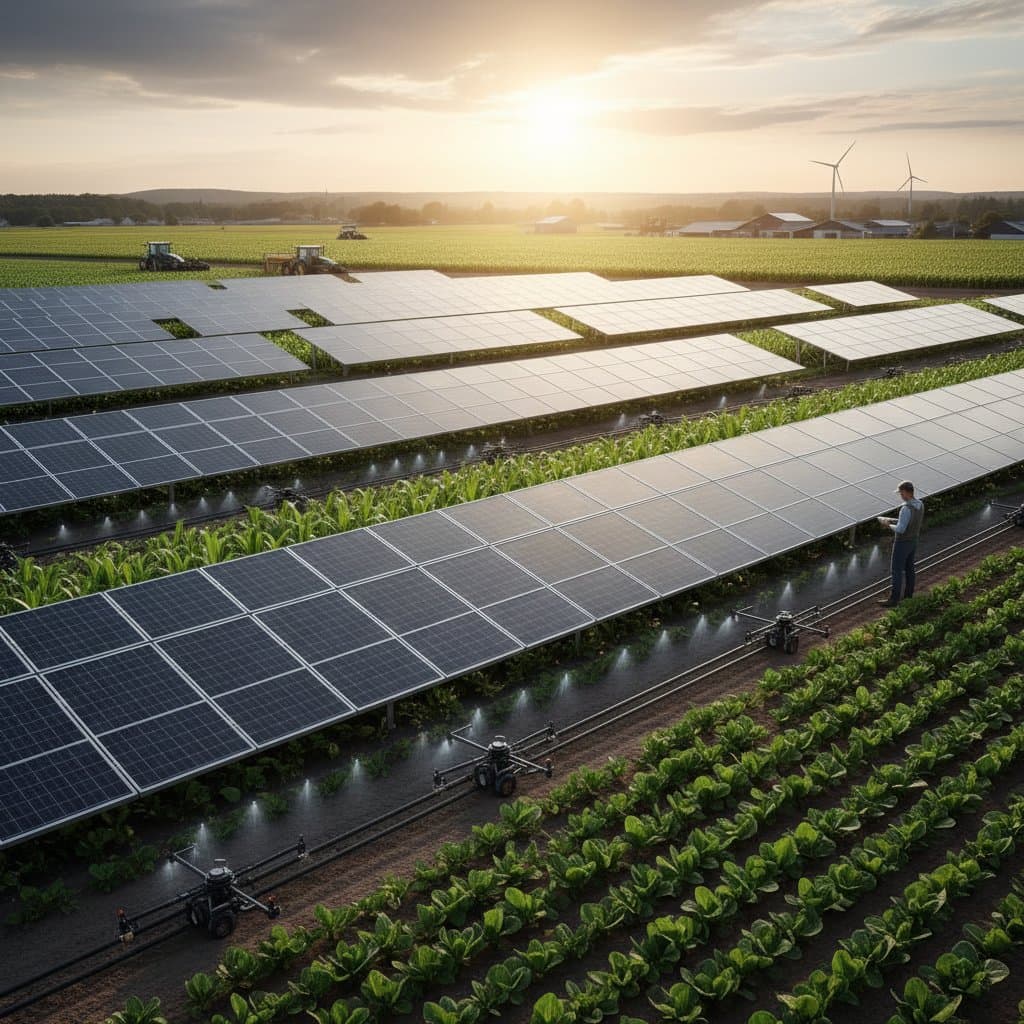
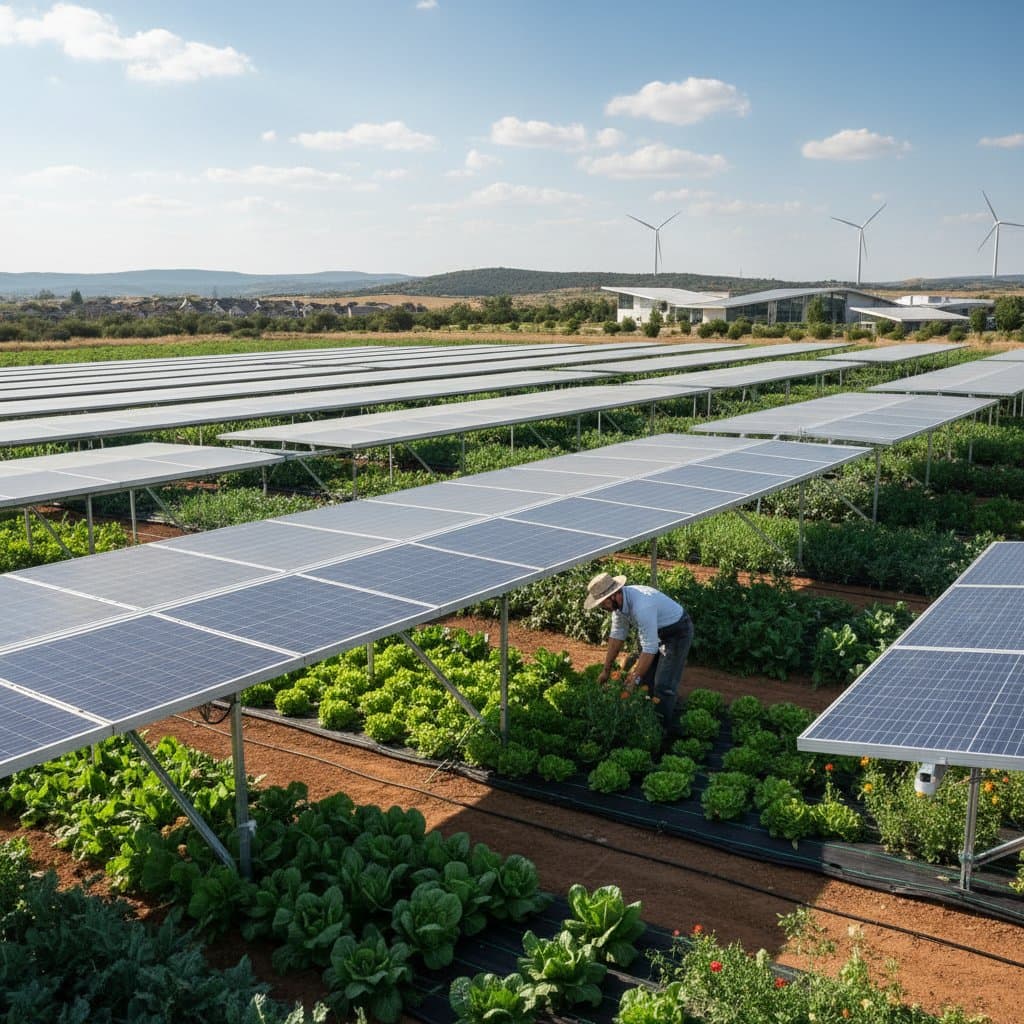
Agrivoltaics integrates solar power with farming practices, enabling the same land to produce both food and electricity. Elevated panels allow crops to flourish below while generating renewable energy. This strategy promotes sustainability, bolsters rural economies, improves soil conditions, and advances clean energy production in agriculture.
Agrivoltaics integrates solar energy production with farming on shared land. Elevated panels allow sunlight to reach crops below, which leads to improved yields and water savings. This approach delivers robust economic benefits, policy support, and community advantages, positioning it to transform sustainable agriculture and renewable energy practices by 2026.
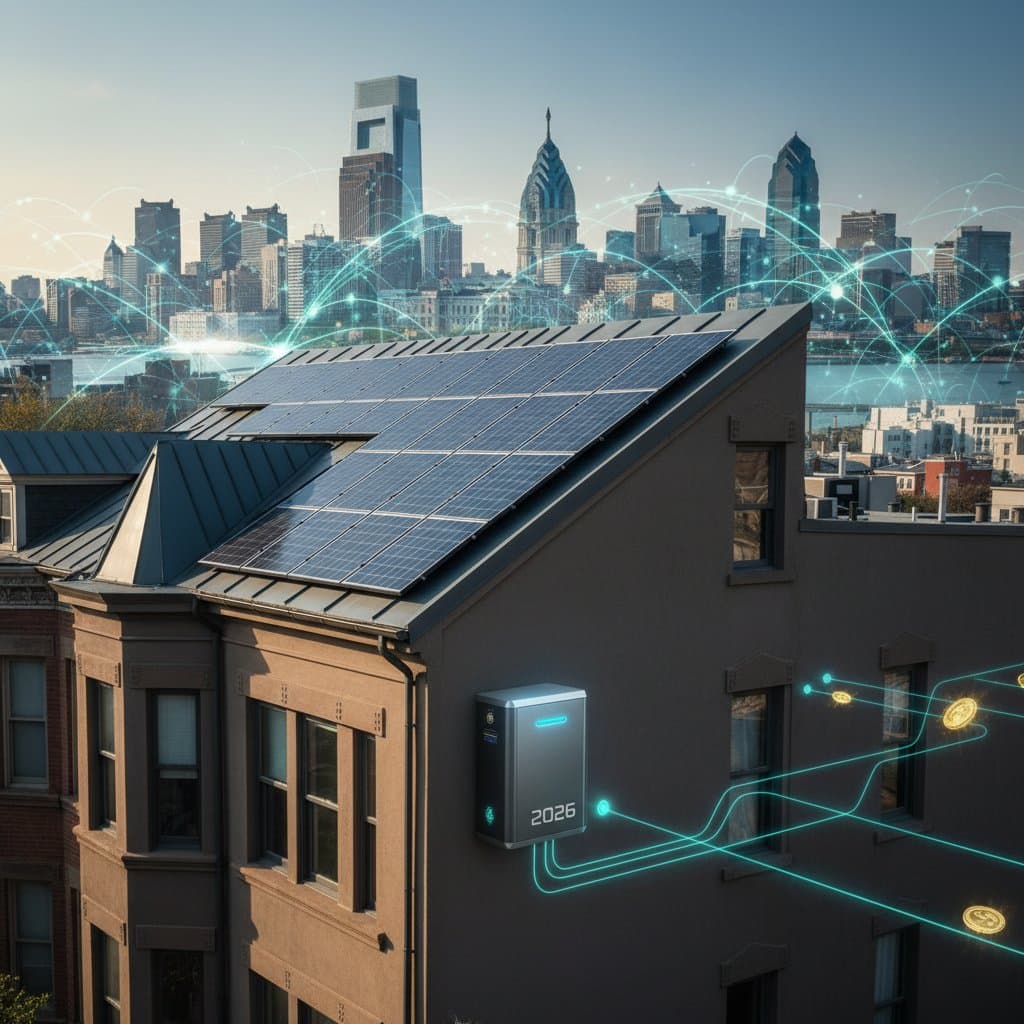
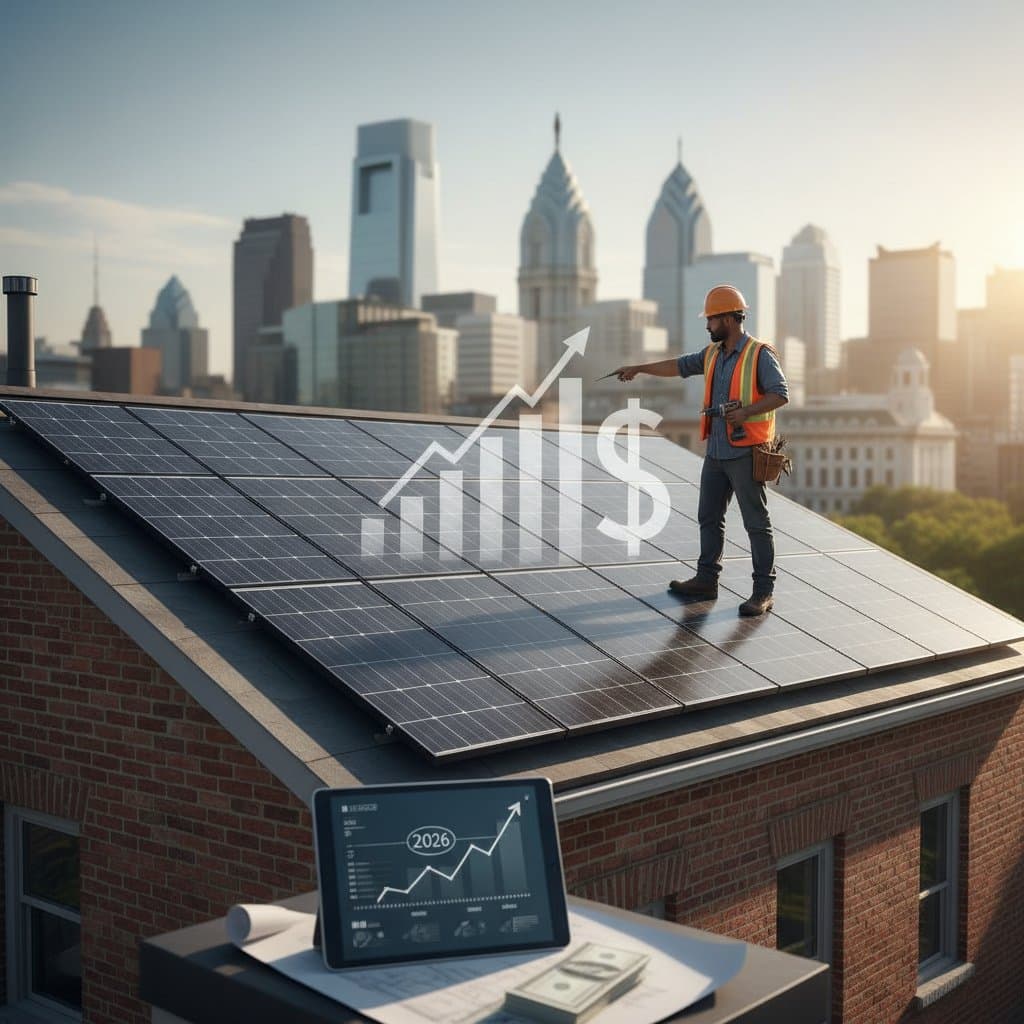
Philadelphia residents are embracing AI-enhanced solar panels that promise 40 percent greater energy production by 2026. These systems adapt to environmental changes, predict maintenance needs, and integrate seamlessly with home batteries, delivering reliable, efficient power while prioritizing safety.
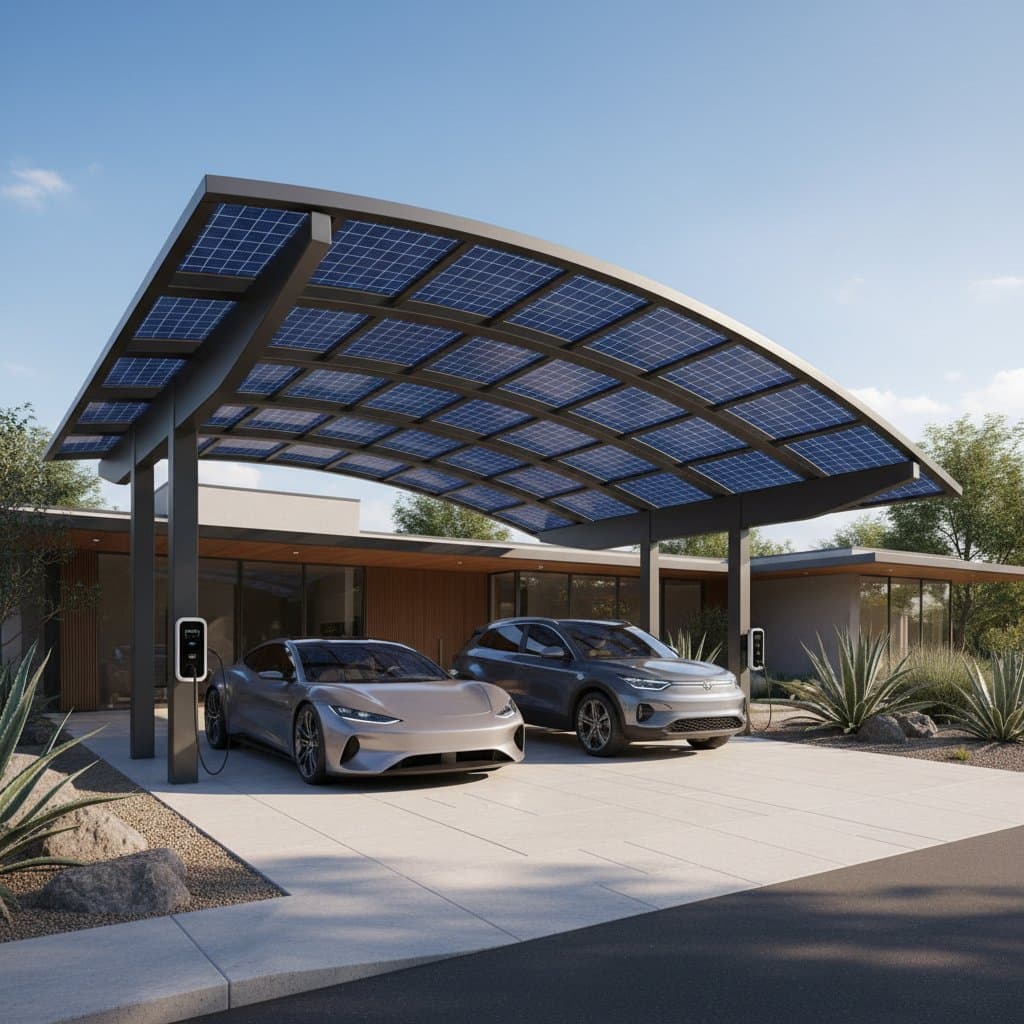
With blackouts increasing in frequency, solar-generator hybrids empower homeowners with dependable, sustainable energy solutions. These systems integrate solar panels, battery storage, and automatic generators to maintain uninterrupted power, decrease costs, and safeguard vital appliances. Discover the role of intelligent design, available incentives, and routine maintenance in achieving outage resilience through 2026.
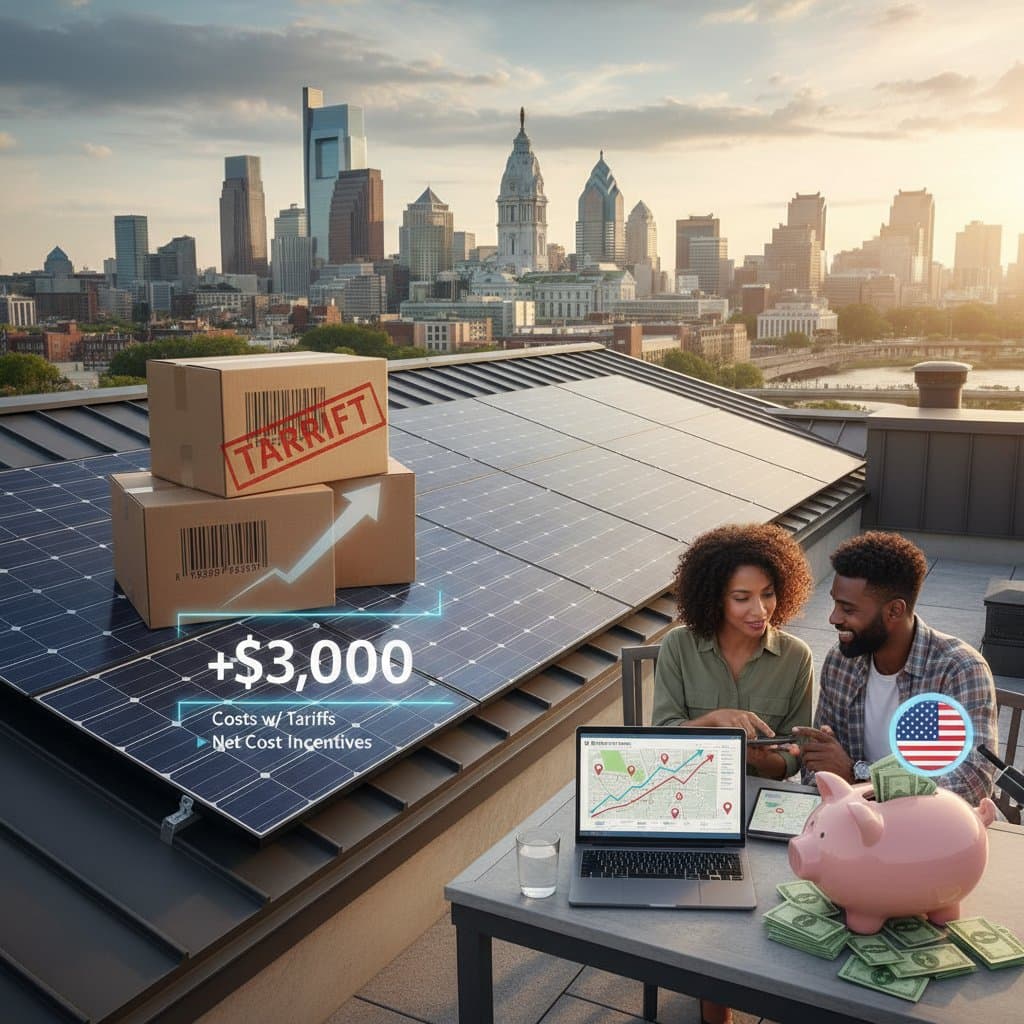
Proposed 2026 tariffs on imported solar panels threaten a 40% price increase, potentially adding thousands to installation costs and lengthening return on investment timelines.
Agrivoltaics integrates solar panels with crop cultivation on the same land, increasing both food and energy outputs while preserving soil and water resources. As incentives grow and technologies advance, 2026 emerges as a pivotal year for these systems, fostering sustainable agriculture and energy security in communities.
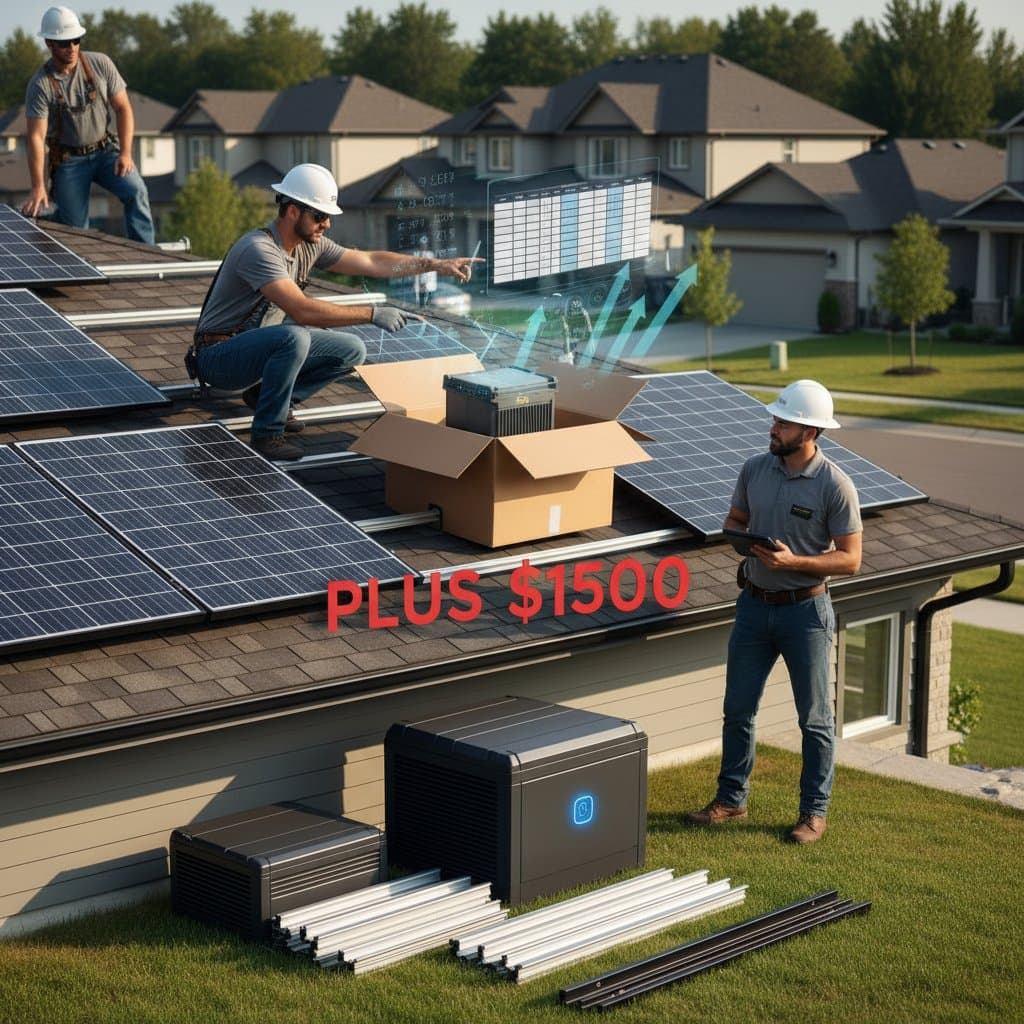
Upcoming 2026 tariffs on solar imports will elevate module and cell prices, affecting homeowners and businesses coast to coast. Intended to support U.S. production, these changes create short-term hurdles as local supply develops slowly. Prepare by locking in quotes, verifying compliance, and leveraging incentives to achieve cost-effective, safe installations.
Agrivoltaics revolutionizes land use by integrating solar energy with agriculture, allowing elevated panels to shade crops, conserve resources, and generate revenue while producing clean power and supporting biodiversity.
Proposed 2026 solar tariffs could increase panel prices by 15 percent, resulting in an additional $1,000 to $1,800 for typical home systems. Homeowners can counter these rises with strategic purchasing, federal tax credits, and local rebates. Solar energy remains a worthwhile pursuit due to its enduring financial returns, reduced reliance on grid power, and positive environmental contributions.
Agrivoltaics integrates agricultural production with solar energy generation, harnessing sunlight to produce food and electricity simultaneously. Elevated solar panels foster shaded, humid microenvironments that support healthier crops and deliver reliable revenue streams. Through thoughtful implementation, farmers lower operational costs, advance environmental goals, and secure long-term viability, maximizing the potential of every acre.